
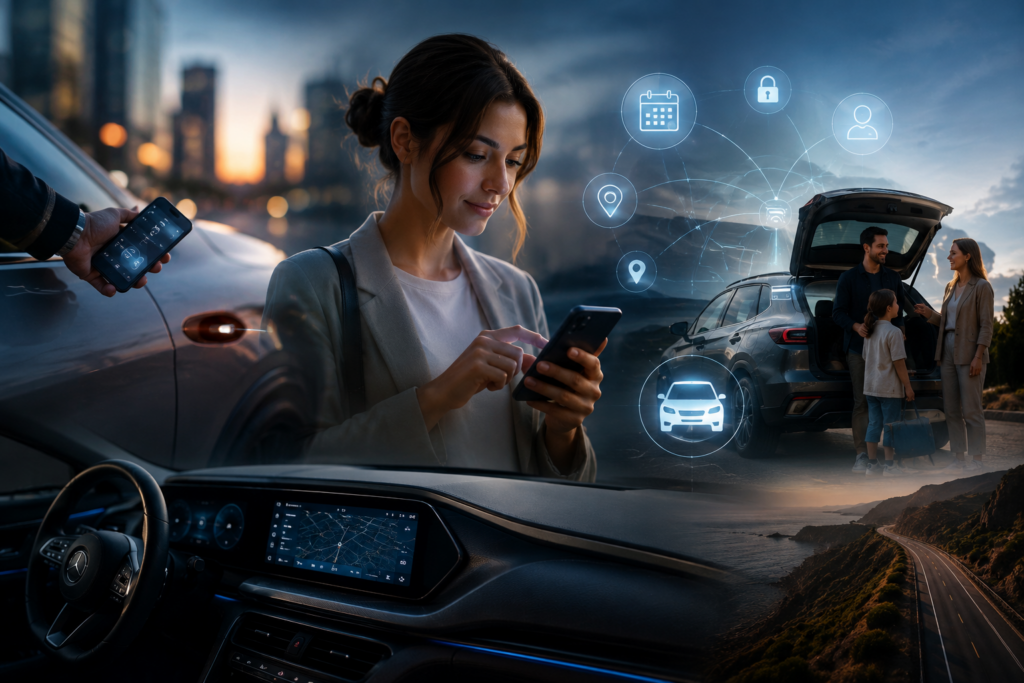
For much of the past century, car ownership represented a significant milestone. A vehicle was not simply a means of transport; it was a symbol of independence, status and personal achievement. The automotive industry was built around the assumption that consumers aspired to own vehicles outright and keep them for years.
Today, however, attitudes are changing. While ownership remains important for many motorists, a growing number of consumers are placing greater value on flexibility, convenience and experiences rather than permanent possession. The shift is influencing everything from vehicle subscriptions and shared mobility services to digital features and personalisation trends.
As technology continues to reshape the automotive landscape, the definition of what it means to "own" a vehicle is becoming increasingly complex.
A Broader Shift in Consumer Behaviour
The changing relationship between people and possessions extends far beyond the automotive sector.
Streaming platforms have replaced physical music collections. Subscription services have reduced the need to purchase software outright. Even in housing and retail, access is often becoming more important than ownership.
The automotive industry is experiencing a similar transformation. Many consumers, particularly younger generations, are less concerned with the traditional idea of long-term vehicle ownership and more interested in accessing mobility in ways that fit their lifestyles.
This does not necessarily mean people no longer want cars. Rather, they are increasingly evaluating vehicles based on the experiences they provide rather than the asset itself.
The Rise of Flexible Mobility
Vehicle subscription services have emerged as one of the clearest examples of this trend.
Rather than committing to ownership or a lengthy finance agreement, drivers can access vehicles through monthly subscriptions that often include insurance, maintenance and servicing. The appeal lies in flexibility. Consumers can adapt their mobility choices as circumstances change without being tied to a single vehicle for years.
While subscription models remain a relatively small part of the market, they reflect a broader desire for convenience and adaptability. In an era where consumers can subscribe to entertainment, software and household products, mobility is increasingly viewed through the same lens.
The concept of ownership is gradually evolving from possession to access.
Digital Experiences Are Becoming a Key Selling Point
Technology is also changing how consumers evaluate vehicles.
Historically, buyers focused heavily on factors such as engine performance, reliability and physical design. While those considerations remain important, digital experiences now play a much larger role in purchasing decisions.
Infotainment systems, smartphone integration, connected services and over-the-air software updates have become major differentiators between manufacturers. In many cases, drivers interact with digital interfaces more frequently than traditional vehicle controls.
As a result, the ownership experience increasingly extends beyond the physical vehicle itself. Consumers are buying into ecosystems, services and software capabilities that continue evolving long after a car leaves the showroom.
For manufacturers, maintaining customer engagement now involves delivering ongoing experiences rather than simply selling a product.
The Growth of Shared Access
Urbanisation and changing transportation habits have also contributed to new attitudes toward ownership.
Car-sharing services, short-term rentals and mobility platforms offer alternatives for consumers who do not require daily vehicle access. In densely populated cities, the costs associated with ownership can outweigh the benefits, encouraging drivers to consider more flexible solutions.
Although private vehicle ownership remains dominant across much of the UK, shared mobility has introduced new ways of thinking about transportation. Consumers are increasingly comfortable accessing vehicles when needed rather than viewing ownership as the only practical option.
This shift challenges long-held assumptions about the role vehicles play in everyday life.
Why Personalisation Still Matters
Interestingly, the move towards access-based mobility has not diminished the desire for individuality.
In fact, personalisation remains one of the strongest forces in modern automotive culture. Whether drivers own a vehicle outright, lease it or access it through alternative arrangements, many still seek opportunities to express identity through their cars.
Custom wheel designs, interior finishes, lighting packages and subtle styling modifications continue to attract interest from enthusiasts and everyday motorists alike. Even relatively small details can help create a stronger emotional connection between driver and vehicle.
For those who value these finishing touches, brands such as Number 1 Plates are often part of wider personalisation projects that allow motorists to add distinctive elements to their vehicles without fundamentally altering their character.
The continued popularity of personalisation highlights an important reality: while ownership models may be changing, the emotional relationship between people and cars remains remarkably strong.
Electric Vehicles and the New Ownership Experience
The growth of electric vehicles is further accelerating the shift towards experience-driven mobility.
Unlike traditional vehicles, many EVs receive regular software updates that introduce new features, improve functionality or enhance performance over time. This creates a sense of ongoing development that was largely absent from conventional ownership models.
Drivers increasingly expect vehicles to evolve in the same way smartphones and other connected devices do. The purchase is no longer viewed as a finished product but as the beginning of an ongoing experience.
This expectation is influencing how manufacturers design, market and support their vehicles throughout their lifespan.
A Different Definition of Value
Perhaps the most significant change is how consumers define value.
Previous generations often measured value through ownership itself. Today, value is increasingly linked to convenience, flexibility, connectivity and enjoyment. A vehicle's ability to integrate seamlessly into daily life may matter as much as traditional specifications.
This does not mean ownership is disappearing. For many drivers, owning a vehicle will remain the preferred option for years to come. However, the motivations behind ownership are evolving, and alternative models are becoming increasingly viable.
The automotive industry is adapting to a world where consumers expect experiences to continue long after the initial transaction.
Conclusion
The future of automotive ownership is unlikely to follow a single path. Traditional ownership, subscriptions, shared mobility and connected services will coexist, serving different consumer needs and lifestyles.
What is changing is the way people think about value. Increasingly, motorists are prioritising experiences, convenience and personal connection over the simple act of possession. Vehicles are becoming part of broader mobility ecosystems rather than standalone products.
As technology advances and consumer expectations continue to evolve, the automotive industry will need to focus not only on building great vehicles but also on delivering meaningful experiences. In many ways, that shift may prove to be one of the most significant transformations the industry has ever faced.