
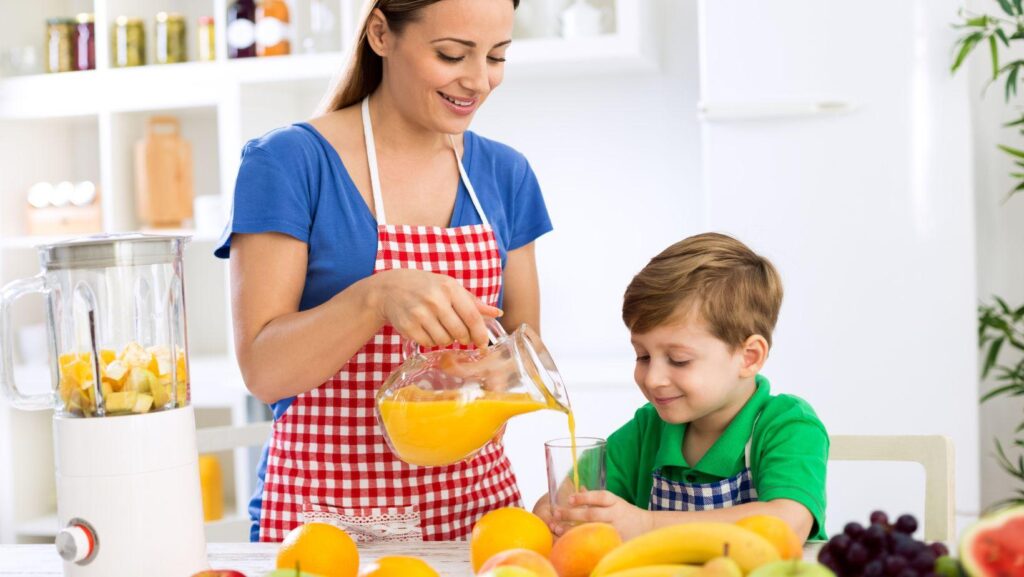
Getting children excited about fruits and vegetables can sometimes feel like an endless game of negotiation. One day they happily munch on carrot sticks, and the next they insist that anything green is “too scary” to eat. If you’ve ever hidden spinach in pasta sauce or celebrated because your child willingly ate a single strawberry, you’re certainly not alone.
The good news is that healthy eating doesn’t have to become a daily battle. Sometimes, all it takes is presenting familiar ingredients in a fresh and engaging way. Homemade juice can introduce children to a variety of fruits and vegetables while turning healthy eating into a fun family activity. Bright colors, naturally sweet flavors, and the chance to help prepare their own drinks often make children more willing to explore new ingredients.
It’s important to remember that fresh juice should complement, not replace, whole fruits and vegetables. Whole produce provides valuable dietary fiber that supports digestion and helps children feel satisfied. When served in age-appropriate portions alongside balanced meals, however, fresh juice can become an enjoyable addition to a healthy family lifestyle.
If you’re looking for creative ways to encourage better eating habits, these simple recipes and practical tips can help make fruits and vegetables something your children look forward to rather than avoid.
Why Fresh Juice Can Be a Fun Addition to Family Life
Children are naturally curious. They enjoy colorful foods, interesting names, and hands-on activities. Preparing fresh juice combines all three.
Instead of presenting vegetables as something they “have” to eat, parents can introduce them as ingredients in colorful creations. A bright orange drink made with carrots and oranges or a vibrant green blend featuring apples and spinach often feels more exciting than a plate of vegetables alone.
Making juice together also creates valuable family moments. Even young children can safely participate in age-appropriate tasks such as washing fruits, sorting ingredients by color, handing produce to an adult, or choosing which fruits to include in the next recipe. Older children can learn simple kitchen skills under close supervision, helping them become more confident around healthy foods.
Starting with familiar flavors usually leads to the greatest success. Apples, pears, oranges, strawberries, grapes, and watermelon are naturally sweet and widely enjoyed by children. Once those combinations become favorites, parents can gradually introduce vegetables like cucumber, carrots, celery, or spinach without dramatically changing the taste.
This gradual approach encourages curiosity instead of resistance. Rather than forcing children to eat unfamiliar foods, you’re inviting them to discover new flavors one ingredient at a time.
Another advantage is that children often become more interested in tasting something they helped create. Measuring ingredients, choosing colorful fruits, or even naming a recipe gives them a sense of ownership that makes trying the final drink much more exciting.
Five Colorful Juice Recipes Kids Will Love
Keeping recipes simple helps children recognize familiar flavors while gently expanding their preferences.
1. Sunshine Orange Blend
Ingredients:
- 2 oranges
- 2 carrots
- 1 apple
This bright combination offers natural sweetness with a smooth citrus flavor. The carrots blend easily into the drink, making them less noticeable while adding vibrant color.
2. Berry Rainbow Juice
Ingredients:
- 1 cup strawberries
- ½ cup blueberries
- 2 apples
This colorful juice is naturally sweet and packed with fresh berry flavor. Serve it in clear glasses so children can enjoy its beautiful deep pink color.
3. Green Adventure Juice
Ingredients:
- 2 apples
- 1 cucumber
- A handful of spinach
- Half a lemon
Green drinks sometimes sound intimidating to children, so presentation matters. Try serving this recipe in a fun reusable cup or giving it an adventurous name like “Superhero Fuel” or “Dragon Juice.” The apples help create a mild, refreshing flavor while the cucumber keeps the drink light.
4. Tropical Splash
Ingredients:
- 1 cup pineapple
- 1 mango
- 2 oranges
This sunny combination feels like a vacation in a glass. Sweet tropical fruits create a refreshing drink that works especially well during warm weather.
5. Pink Power Juice
Ingredients:
- 2 cups watermelon
- 1 cup strawberries
- Juice of half a lime
Perfect for summer afternoons, this refreshing juice combines bright colors with naturally sweet flavors that many children already enjoy.
To make these recipes even more memorable, invite your children to invent their own names or decorate reusable labels for favorite combinations. Small touches like these make healthy habits feel playful rather than routine.
Tips for Making Fresh Juice Part of Your Family Routine
Building healthy habits is usually easier when they fit naturally into everyday life.
One helpful strategy is balancing fruits with vegetables. Fruit provides natural sweetness that children often enjoy, while vegetables add variety to the recipe. Over time, you can slowly adjust the proportions by increasing vegetables and reducing fruit without making dramatic changes to the flavor.
Shopping together is another valuable opportunity. Visiting a local farmers’ market or grocery store allows children to choose fruits and vegetables they’d like to try. Giving them small decisions, such as selecting between red apples and green apples or choosing today’s berries, helps create excitement before the juicing even begins.
Preparation also makes a difference. Washing produce after grocery shopping and storing ready-to-use ingredients in the refrigerator saves time during busy mornings. Using a Hurom Easy Clean juicer can also help simplify the routine, as its easy-to-clean design makes it more convenient for busy families to prepare fresh juice regularly without spending extra time on cleanup.
Cleaning up immediately after making juice helps maintain the habit as well. Fresh pulp is much easier to remove before it dries, making cleanup faster and helping your equipment stay in excellent condition.
Parents should also remember that juice is best served alongside balanced meals or healthy snacks rather than replacing them. Whole fruits and vegetables remain an essential part of a child’s diet because they provide fiber and other nutritional benefits that fresh juice alone cannot fully replace.
For babies and toddlers, always follow guidance from your pediatrician regarding when and how much juice is appropriate. Young children’s nutritional needs vary by age, and whole fruits are generally preferred whenever possible.
Creating a Kitchen That Encourages Healthy Choices
Healthy eating becomes much easier when the kitchen is designed to support it.
Keep a bowl of fresh fruit where children can easily see it. Apples, bananas, pears, and oranges displayed on the counter often become convenient snack choices simply because they’re visible.
Inside the refrigerator, store washed grapes, sliced melon, berries, or carrot sticks in clear containers placed at eye level. Children are much more likely to choose foods they can easily recognize.
Creating a dedicated juice station can also simplify family routines. Keep your juicer, cutting boards, reusable cups, and favorite recipes together in one area of the kitchen. Having everything within reach makes preparing fresh juice quicker and more enjoyable.
Celebrating curiosity instead of perfection is equally important. If your child takes one sip of a new recipe and decides it isn’t their favorite, that’s perfectly okay. Exploring new foods is a gradual process, and repeated exposure often builds familiarity over time.
Some families enjoy creating a “Juice of the Week” tradition, where everyone votes on a new recipe to try each weekend. Others keep a family recipe notebook where children can draw pictures of their favorite juice combinations or rate new creations with colorful stickers.
These small traditions transform healthy eating from an obligation into a shared family experience.
Conclusion
Helping children enjoy more fruits and vegetables doesn’t require complicated recipes or constant persuasion. Often, it begins with making healthy foods feel colorful, creative, and fun.
Fresh juice can be an enjoyable addition to a balanced diet when served in moderation and paired with whole fruits, vegetables, wholesome meals, and active family routines. By involving children in selecting ingredients, preparing recipes, and experimenting with new flavor combinations, parents can nurture curiosity while building confidence around healthy foods.
Remember that every child develops preferences at their own pace. One successful sip today may lead to a favorite recipe tomorrow. Celebrate small victories, encourage exploration, and focus on creating positive experiences in the kitchen rather than expecting instant results.
The healthiest habits are often the ones families build together. A simple glass of homemade juice, prepared with laughter, teamwork, and a little creativity, can become much more than a refreshing drink. It can become the beginning of a lifelong appreciation for fresh, wholesome foods.