
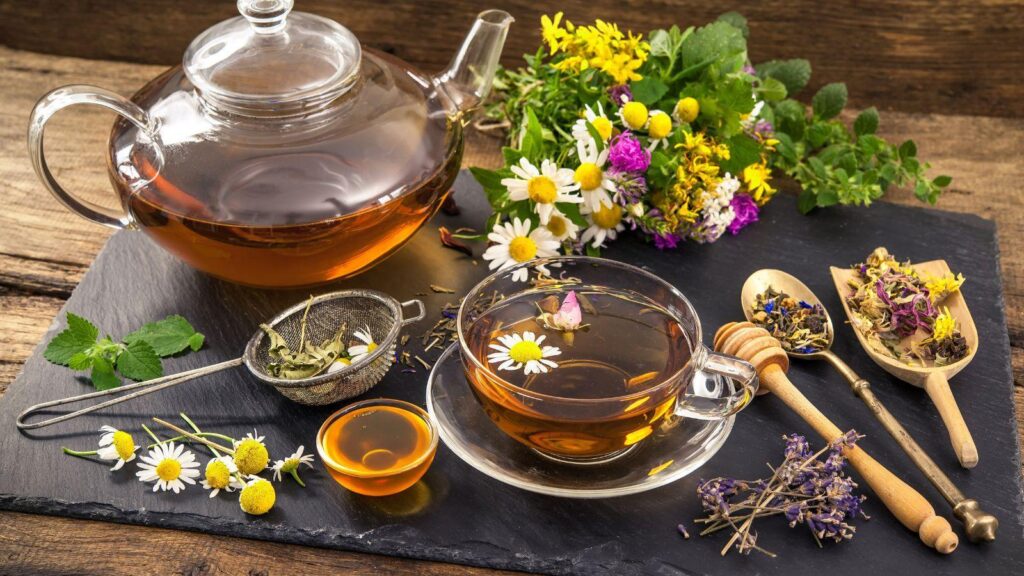
There is a particular kind of stillness that comes from waiting for water to boil. It’s a small, unremarkable pause, and yet it’s one of the few moments in a modern day that resists being filled with anything else. You can’t rush a kettle. You can only wait, and in that waiting, something in the mind tends to soften.
Across cultures and centuries, this pause has been formalized into ritual. The Japanese tea ceremony turns the preparation of matcha into a meditation on presence and impermanence. West African kola traditions built entire social rhythms around the sharing of a bitter, stimulating plant. Andean communities have long treated coca leaf preparation as a communal, almost sacred act, bound up with reciprocity and respect for the land. Across Southeast Asia, leaf-based traditions — including the chewing and brewing of kratom leaves in Thailand, Malaysia, and Indonesia — served similar social and reflective functions, often shared among laborers and community members as part of daily rhythm rather than as an isolated act.
What these traditions share isn’t the specific plant involved. It’s the structure around the plant: a deliberate slowing down, a designated time set apart from the rest of the day, and often a communal or reflective dimension that turns a simple act of consumption into something closer to a practice. In a culture increasingly organized around speed — instant coffee, drive-through everything, notifications competing for attention every few minutes — these slower botanical traditions offer something genuinely countercultural. They ask us to wait. They ask us to notice.
Modern life doesn’t make this easy. The instinct to reach for the fastest version of anything is strong, and convenience culture has trained us to see waiting as friction to be eliminated rather than an experience with its own value. But something is lost in that optimization. The tea ceremony isn’t “better” than instant coffee because of the beverage itself; it’s better, for those who practice it, because of what the ritual asks of the person performing it: attention, patience, a kind of quiet respect for the process.
Building a slow ritual into an ordinary week doesn’t require travel to Kyoto or a formal teacher. It can be as simple as setting aside fifteen minutes in the morning or evening, away from screens, to prepare a warm drink by hand and sit with it without rushing to the next task. Some people use this time for journaling. Others use it for quiet reflection, prayer, or simply watching the light change in a room. The content of the ritual matters less than the commitment to protecting the time itself from the pull of constant productivity.
For those drawn specifically to traditional plant-based preparations as part of this practice, approaching them with the same care the traditions themselves modeled matters. That means treating the botanical with respect — understanding where it comes from, how it was traditionally prepared, and choosing suppliers who take sourcing and quality seriously rather than treating a centuries-old tradition as a novelty product. Companies like Kingdom Kratom, which frame their offerings around traditional leaf preparations, are one entry point for adults interested in exploring this particular thread of botanical ritual, provided the exploration is paired with the same intentionality the original traditions call for.
Ultimately, the value of a slow ritual isn’t really about the specific plant or preparation involved — tea, kola, coca, or kratom leaf all serve the same underlying human need for a designated pause. It’s about reclaiming a small piece of the day from the relentless momentum of modern life and returning it to something more deliberate. In a world that often mistakes speed for progress, choosing to slow down, even for fifteen quiet minutes with a warm cup in hand, is its own small act of resistance.
That resistance doesn’t need to be dramatic to matter. It can be as simple as sitting still while the water finishes boiling, and letting that stillness be enough.