
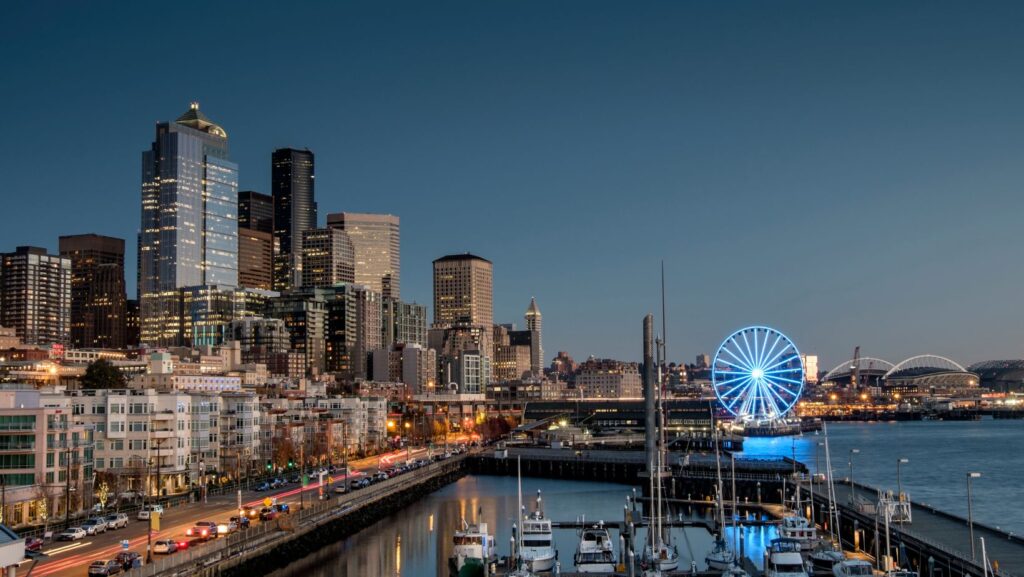
Miami rarely sleeps, but some corners manage to stay calm. The city moves fast by default. Traffic flows constantly. Energy never fully depletes. Noise fills most hours. Yet in specific neighborhoods, the rhythm slows. People walk safely at night. Crime stays lower. Community feels stronger. These places aren’t isolated from Miami’s energy. They’re just positioned differently within it. Exploring the safest neighborhoods in Miami reveals how community, trust, and design create pockets of peace in a city built on motion.
Safety in Miami doesn’t happen accidentally. It emerges from deliberate choices about where to live and how neighborhoods structure themselves. Some areas have invested in community infrastructure for decades. Others have focused on design that naturally discourages crime. Some have strong neighborhood associations that maintain standards and build relationships. These intentional choices accumulate into neighborhoods where residents feel genuinely safe.
The safest neighborhoods in Miami share characteristics that extend beyond statistics. Crime numbers matter, but they don’t tell the full story about safety. A neighborhood can have low crime and still feel unsafe because of poor lighting or lack of community presence. The safest neighborhoods combine measurable crime metrics with environmental design and community culture that make people feel protected.
Safety Beyond the Statistics
Walkability creates natural safety because pedestrian presence deters crime. Neighborhoods where people walk regularly have eyes on the streets. Criminals avoid areas where they might be noticed. Neighborhoods designed for walking have pedestrian traffic at different times. Morning commuters. Evening walkers. Weekend families. That constant presence creates informal surveillance that prevents crime without feeling oppressive.
Lighting transforms how safe neighborhoods feel after dark. Well-lit streets discourage criminals who rely on darkness. Good lighting also helps residents feel safer psychologically. Shadows feel threatening. Illuminated areas feel protective. Neighborhoods that have invested in street lighting consistently report residents feeling safer, even if crime statistics don’t change dramatically. Light changes psychology.
Connection and community matter more than most people realize. Neighborhoods where residents know each other have lower crime. People look after each other’s property. Strangers stand out. Suspicious activity gets reported. Community creates informal policing that deters crime more effectively than formal enforcement alone. That connection develops through neighborhood events, local businesses, schools, parks, and regular interaction.
Mixed-use development creates active neighborhoods. Areas with apartments above retail spaces have people living and working in close proximity. Activity extends through different times of day and night. Commercial areas close at specific hours and go quiet. Residential areas stay quiet. Mixed-use areas stay active throughout the day and into evening. That activity deters crime.
What Miami’s Quietest Areas Have in Common
Coral Gables, Wynwood, and areas like Buena Vista share intentional design. They’ve invested in street infrastructure, park maintenance, and community spaces. They host events regularly. They maintain standards for property appearance and upkeep. That investment shows residents that the neighborhood is worth protecting. People take pride in places that clearly have community investment.
These neighborhoods attract residents who value stability and community. That self-selection creates neighborhoods with people who’ve chosen to be there intentionally rather than defaulting to wherever they could afford. That intentionality strengthens community bonds. Neighbors engage more actively when they’ve consciously chosen the neighborhood.
Economic diversity in the safest neighborhoods often matters. Neighborhoods where people from different income levels live together tend to be safer than either very wealthy or very low-income areas. Diversity creates incentive for everyone to maintain standards. It creates community rather than isolation. It prevents the clustering of crime that sometimes happens in economically stratified areas.
Strong neighborhood associations appear in virtually all of Miami’s safest areas. These associations organize community events, address maintenance issues, advocate for better services, and build relationships between residents. They’re not vigilante groups. They’re organizational structures that formalize community involvement and give residents collective voice.
Choosing Safety Without Losing Energy
Moving to a safe neighborhood doesn’t mean losing Miami’s energy. The safest neighborhoods are still part of the city. They’re close to restaurants, nightlife, entertainment, and employment. They just layer safety on top of that energy through design choices and community culture.
Visiting neighborhoods helps you evaluate them beyond statistics. Walk around at different times of day. Visit in the evening. Talk to residents. Notice how many people are on the streets. Notice if the neighborhood feels active or abandoned. Notice if you see security cameras or evidence of community investment. Your intuition about neighborhood feel often predicts safety as accurately as crime statistics.
Schools and parks indicate community investment. Neighborhoods that maintain excellent schools attract families. Neighborhoods with well-maintained parks attract regular users. These investments create the infrastructure and community interaction that support safety. Research school ratings and park conditions when evaluating neighborhoods.
Conclusion
In a city that moves fast, peace of mind moves people. Residents prioritize safety because they understand that everything else relies on feeling secure. They choose neighborhoods deliberately. They invest in community. They maintain standards. They look after each other.
Miami’s safest neighborhoods prove that safety exists within the city’s energy rather than separate from it. You can find calm corners without leaving the city behind. You can have community without sacrifice. You can feel safe without isolation.
The neighborhoods that stay calm do so because residents have chosen to make them that way. That choice is available to anyone willing to look for it and invest in it. Safety in Miami isn’t luck. It’s the result of deliberate community choices compounding over time into neighborhoods worth protecting.