
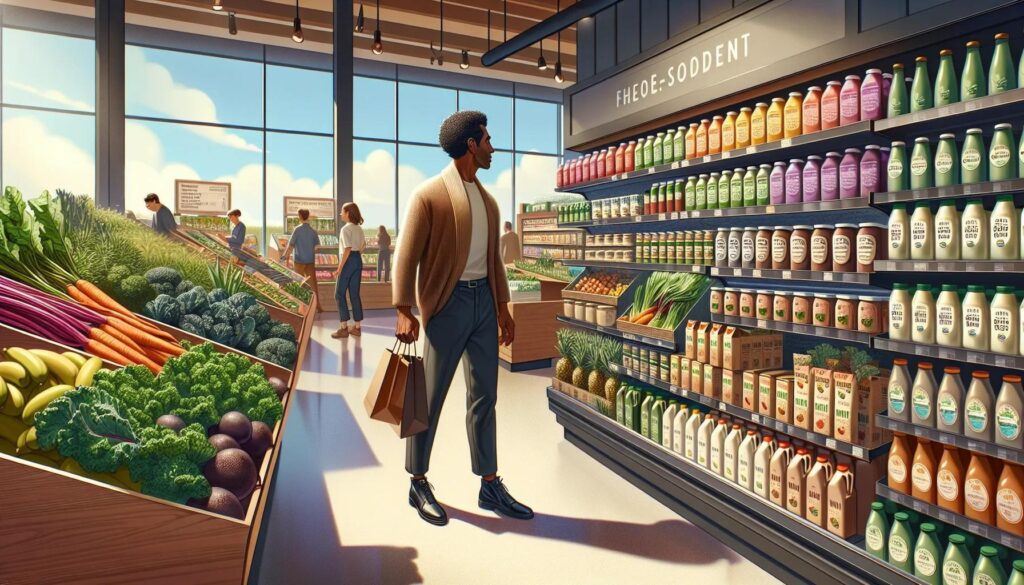
Who doesn’t love a good health trend? The healthy living market has taken off like a rocket in recent years, and it’s got our attention, and our wallets. We’ve all seen the kale smoothies on Instagram that make us question our snack choices. But what’s really going on in the healthy living sector? Join us as we navigate the kaleidoscope of organic produce, fitness fads, and wellness apps, biting into what makes this market not just a trend, but a lifestyle.
Overview of the Healthy Living Market
The healthy living market is booming, driven by an ever-increasing demand for wellness-focused products and services. What does this mean for us? Essentially, people are getting smarter about food choices, fitness, and overall well-being. From organic foods to holistic health approaches, it looks like the way we think about health is changing for the better. As of today, this market has seen exponential growth, expanding into various sectors including food, supplements, and wellness technology.
With more than $4 trillion in spending projected by 2026, it’s clear that investing in health is not just a phase. We’re witnessing a societal shift where health-consciousness has become the norm rather than the exception. There’s no denying that food labels have become our new bedtime reading, and that we’re increasingly choosing wellness over convenience.
Key Trends in Healthy Living
So, what’s hot in the healthy living market today? Let’s jump into some key trends:
Plant-Based Everything: Gone are the days of meat as the protagonist in every meal. The rise of plant-based diets has encouraged an entire industry dedicated to vegan and vegetarian options. We’re not just talking about fake burgers: think plant-based cheese, nut milks, and chickpea pasta.
Sustainability: We’re all becoming a bit more eco-conscious. The sustainable products trend isn’t just a fad: consumers are eager to support brands that prioritize eco-friendliness. Options like biodegradable packaging and ethically sourced ingredients are a big draw.
Tech in Health: Fitness apps, smartwatches, and health trackers are changing how we approach our wellness journeys. By providing real-time data, these technologies empower us to make informed choices about our fitness and nutrition. Talk about a game changer.
Personalization: As we dive deeper into our lifestyles, tailored products are gaining traction. From customized meal plans to supplements perfectly curated for our specific needs, personalization is becoming key.
Each of these trends shows how our preferences are evolving, indicating that we want more than just generic solutions.
Consumer Preferences and Behavior
Understanding consumer behavior is crucial as we explore the healthy living market. What interests us when we shop? Evidence shows buyers prioritize transparency and ingredients. Label readers unite. We crave simplicity and honesty in what we consume, often opting for products that boast clean, recognizable ingredients.
Also, we have shifted away from brand loyalty towards experiences. Now, we seek products that resonate with our values, often favoring brands that contribute to social good. From community initiatives to environmental impact, we’re keeping our eye on the bigger picture. Sunday grocery trips? They have evolved into conscious shopping expeditions.
Also, health is more than just physical for us. It’s holistic. Mental health has become an integral part of the healthy living equation, leading us to explore wellness apps and mindfulness practices.
Product Categories in the Healthy Living Market
In the vibrant world of the healthy living market, various product categories cater to our evolving tastes and needs. Here’s a breakdown:
Food and Beverages: This category has exploded with organic, non-GMO, and gluten-free products capturing our attention. The rise of functional beverages like kombucha and antioxidant-rich juices has made sipping our way to health easier than ever.
Supplements: Vitamins, herbs, and superfoods are now staples in our kitchens. We’re all looking for that extra edge, whether it’s in energy levels or immunity. Adaptogens and collagen powders have made quite a name for themselves.
Fitness and Wearables: Gyms and studios aren’t the only players here: wearable tech that tracks our movement and health metrics has transformed how we approach fitness. We can’t forget about home fitness products either, especially since home workouts have gained popularity.
Beauty and Personal Care: Healthy living has permeated skincare and beauty as well. We seek natural beauty products free from harmful chemicals, opting for brands that prioritize both health and environment.
Challenges Facing the Healthy Living Market
While the healthy living market is flourishing, it also faces challenges that could impact its growth. One issue is the ongoing battle against misinformation. With so much chatter about health trends online, we often find ourselves navigating a maze of contradictory advice. As consumers, we want credible sources over influencers pushing the next fad.
Another challenge is accessibility. As the demand for healthy options grows, so does the price tag on many products. We want healthier choices, but budget constraints can limit us. Finding a balance between quality and affordability is a conversation that needs to happen.
Also, supply chain complications, sometimes influenced by global events, can disrupt the availability of popular products. It’s a reminder that even in this thriving market, we need to stay nimble.
Future Outlook for the Healthy Living Market
The future looks promising for the healthy living market, and we can embrace some exciting prospects.
Anticipating a continued rise in plant-based diets, we expect innovative food products to emerge. Expect new formulations that blend flavors while sticking with whole ingredients. Evolution in this arena will lead us to better meals that are even more enjoyable.
Sustainability will further shape everyday choices, with increased interest in environmental responsibility driving brands to adopt greener practices. As technology progresses, we should also anticipate enhanced personalization in products through AI and data analytics, bringing us closer to solutions tailored perfectly for our needs.
Eventually, the focus on mental and emotional well-being will only grow stronger, encouraging more holistic solutions in the health landscape.