
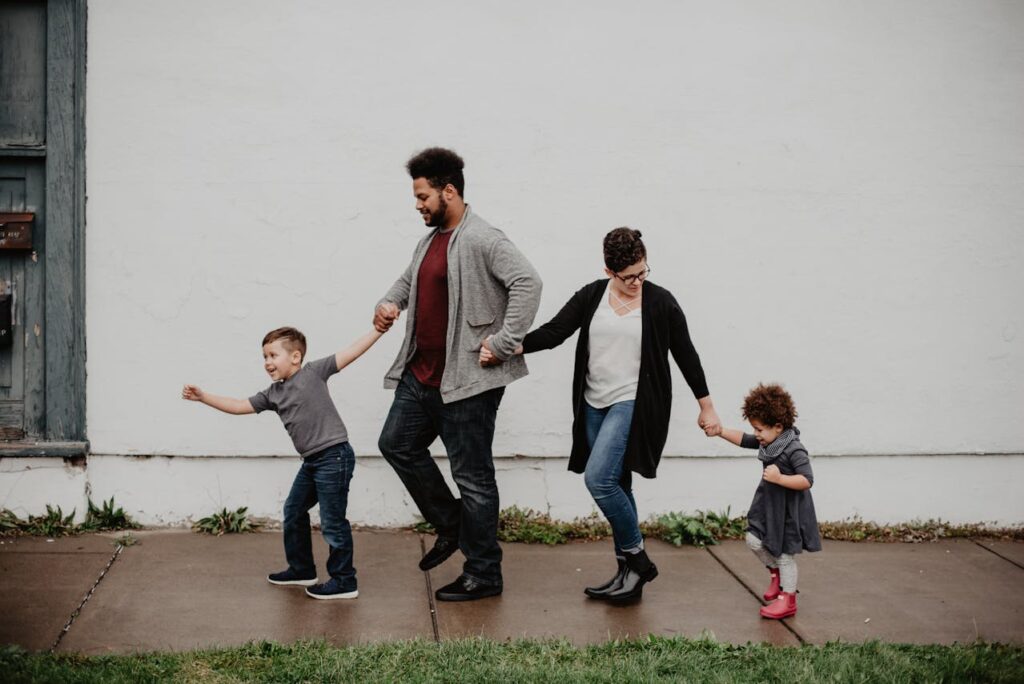
In a world where screens compete for our attention and schedules often feel overloaded, finding time for meaningful family connection can be surprisingly challenging. Yet movement—often overlooked as simply “exercise”—offers one of the most powerful ways for families to interact, communicate, and create long-lasting memories. When families engage in activities that get them moving, they not only build healthier bodies but also cultivate trust, teamwork, and emotional connection.
Below is a deep look at how physical activity can become a platform for bonding, confidence, and joy, along with ideas for families ready to kickstart their own movement-filled traditions.
Why Movement Matters for Families
Physical activity does far more than strengthen the heart or build stamina. Movement has a neurological and psychological impact that supports mood regulation, focus, emotional resilience, and stress management. When children engage with their parents or siblings during movement-based activities, they’re not simply playing— they’re learning communication skills, emotional cues, and problem-solving behaviors.
For parents, movement with kids becomes a way to break out of the “manager” role of daily routine. Instead of being the one issuing instructions (“hurry up,” “eat your food,” “get ready”), parents get to play, laugh, and participate alongside their children. These moments reshape family dynamics in healthy ways, helping kids see adults not only as authority figures, but as teammates and companions.
Outdoor Adventures That Spark Connection
Many movement activities require little to no equipment and can be done anywhere, from the backyard to a local park. Hiking, for example, is one of the simplest ways for families to engage in meaningful exploration together. Trails encourage conversation and storytelling, and shared challenges—like navigating uneven terrain—build team strength and confidence.
For families with younger children, scavenger hunts, nature bingo, and outdoor obstacle courses make movement feel like pure play. For older kids, biking on scenic paths, exploring nature preserves, or geocaching can bring a sense of adventure and discovery.
These outdoor activities have an additional benefit: they often remove digital distractions. Without screens in the way, families naturally talk more, laugh more, and become curious about their surroundings.
Learning Skills Together: The Bond of Shared Growth
One of the most rewarding ways families can build connection through activity is by learning something new together. Skill-based activities create a shared sense of excitement and vulnerability—everyone is trying, failing, improving, and cheering each other on.
Families can experiment with martial arts classes, beginner-friendly climbing gyms, dance lessons, or racquet sports. Even roller-skating or learning how to handle longboards can bring out a sense of playful challenge. In these environments, kids get to see adults learn and struggle, which models patience, resilience, and humility in a real way.
In some cities, families have even begun to participate in family skate lessons, where skilled instructors teach adults and kids side-by-side. Activities like this not only build physical coordination but also create lighthearted memories that often get retold for years to come.
Movement Through Play and Imaginative Games
Not all movement has to be structured or skill-based. Families often underestimate the bonding value of unstructured play—tag, hide-and-seek, freeze dance, balloon volleyball, or trampoline games. These activities lower the stakes and remove pressure to perform.
For younger children, imaginative movement games—like pretending to be animals, explorers, superheroes, or astronauts—bring excitement into physical play. Families with teens can amplify the challenge through games like capture the flag, laser tag, or Nerf battles, which involve strategy, creativity, and teamwork.
Play also reinforces positive parent-child memories. Kids rarely remember the logistics of childhood, but they vividly remember the moments when adults were willing to be silly, active, and fully present.
Social Movement: Bonding Beyond the Household
Movement can extend beyond the immediate family by blending activity and socializing. This might mean hosting backyard sports gatherings, organizing weekend bike rides with neighbors, or planning family vs. family soccer games at a local park. Kids thrive socially when activities bring their peers together, and parents benefit from shared support networks with other adults.
Social events centered around movement also reduce the pressure of traditional social hosting. Families can swap heavy meals and long sit-down gatherings for lighter, more energetic celebrations. For example, outdoor birthdays now often include field-day style games, foam sword battles, mini obstacle courses, or themed challenges.
Some families even enhance these gatherings by hiring a party bartending service for adult guests, transforming backyard events into relaxed and celebratory experiences without sacrificing time and attention for the kids’ activities.
Seasonal Movement Traditions
Creating seasonal traditions gives families something to look forward to year after year. Summer might mean paddleboarding mornings, picnic sports days, or long beach walks. Autumn might bring leaf collecting hikes or pumpkin patch races. Winter opens the door to snowball fights, sledding, ice skating, and beginner-friendly skiing. Spring revives biking, gardening, and outdoor scavenger challenges.
These traditions anchor memories and strengthen family identity, helping kids form a sense of belonging that stays with them into adulthood.
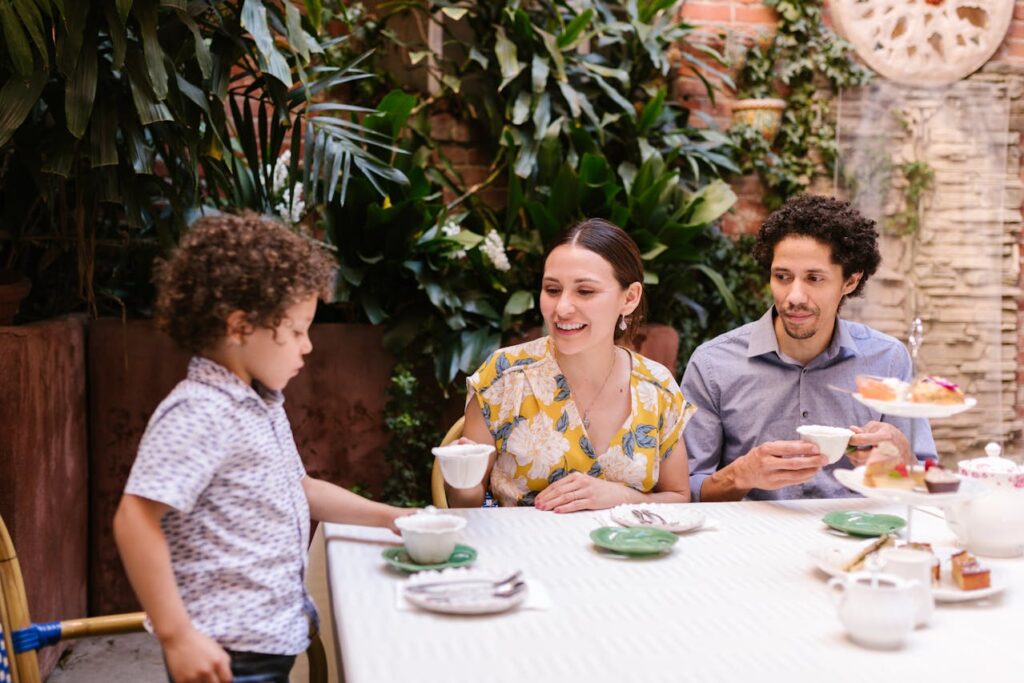
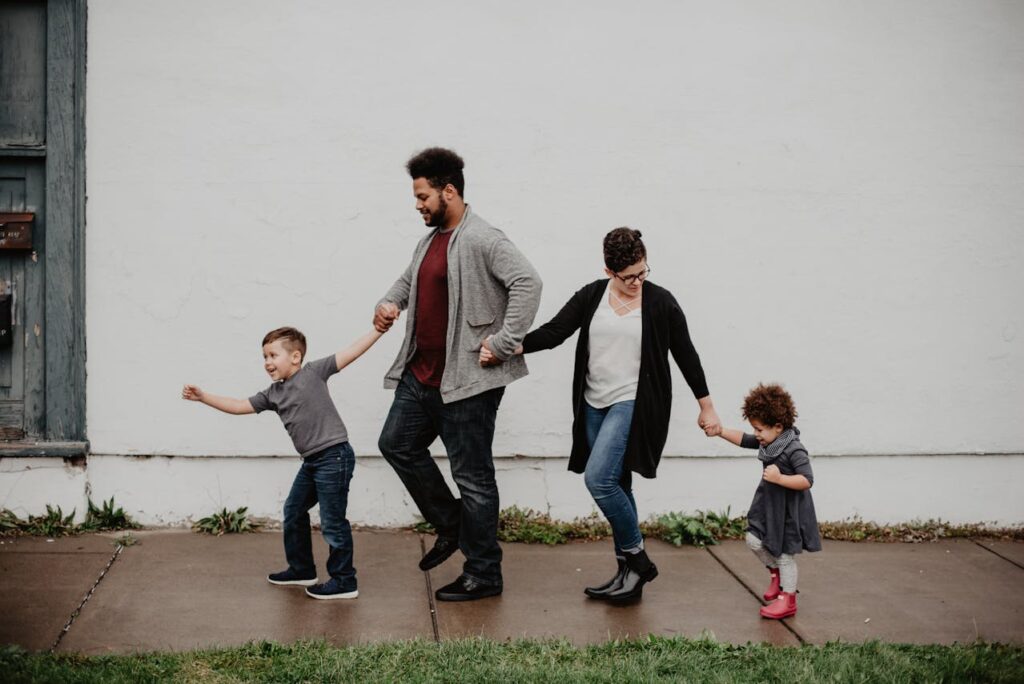
The Biggest Takeaway: Movement Is a Language of Love
When families move together, something powerful happens beneath the surface. Kids feel seen. Parents feel connected. Siblings learn cooperation. Stress dissolves. Laughter surfaces. No lecture can replace what physical interaction communicates: “we’re on the same team,” “you matter here,” “we go through challenges together.”
As modern family life becomes more fragmented and hurried, movement offers a joyful antidote—an invitation to pause, breathe, and participate in each other’s worlds.
Families don’t need to be athletes, dancers, or hikers to enjoy the benefits. They only need curiosity and willingness to play. Whether they’re learning new skills, exploring outdoors, joining social gatherings, or simply racing to the mailbox together, movement becomes the thread that ties people closer.
In the long run, these experiences may matter more than any achievement, milestone, or schedule ever could. Families that move together don’t just build healthier bodies—they build healthier relationships, lasting memories, and a deeper sense of connection that carries through every stage of life.