
Drive down State Road 84 or hop onto I-595 near the port during rush hour. You feel it. The ground shakes a little. It is not an earthquake. It is commerce. Massive eighteen-wheelers are hauling freight to and from Port Everglades. They are the lifeblood of the economy in South Florida, moving everything from produce to electronics. But when you are in a sedan next to one of these giants, the economy is the last thing on your mind. You are thinking about the wheels. The lugs are spinning at eye level. The sheer mass of the machine is terrifying if you let yourself think about it too long. Most people tune it out. They turn up the radio. They merge and hope for the best.
But hope is not a strategy. Not when physics is involved.
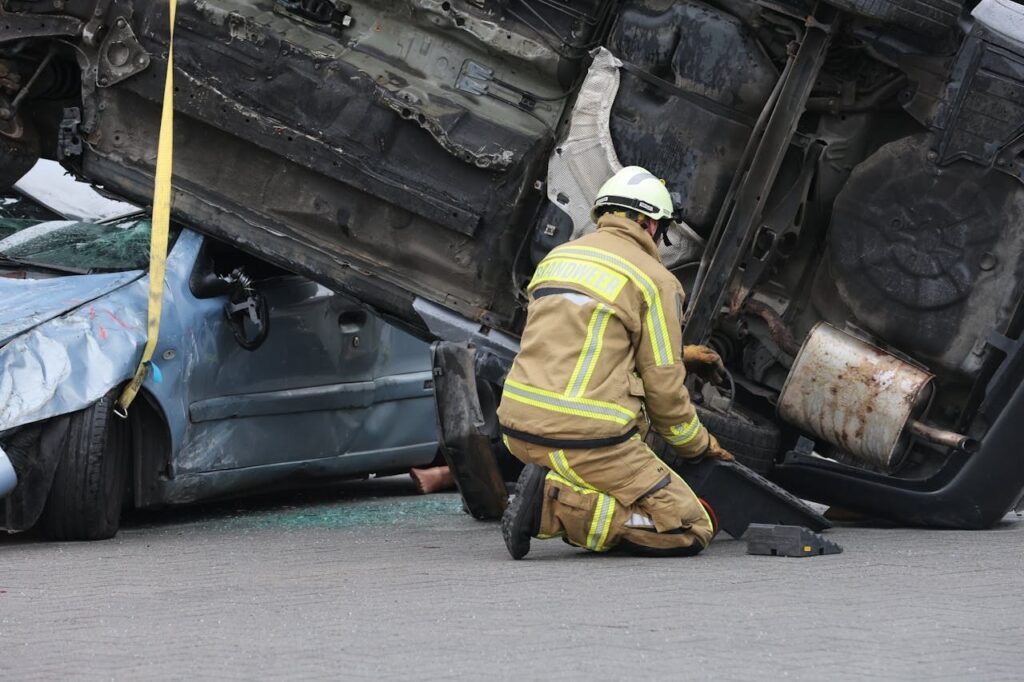
The reality of a collision between a passenger vehicle and a fully loaded tractor-trailer is brutal. It is simple math that leads to complex tragedy. You have eighty thousand pounds of steel and cargo moving at sixty miles per hour. That is a lot of kinetic energy. When that energy transfers to a three-thousand-pound car, the car loses every time. The metal crumples. Glass shatters. The safety features designed for standard car crashes often fail under such extreme forces. It is not just an accident. It is a demolition.
The Machine and the Man
Understanding why these wrecks happen requires looking past the steering wheel. Sure, driver error is a huge factor. Humans get tired. They get distracted. They make bad calls. But in the trucking industry, the driver is often just the tip of the iceberg. There is a whole system pushing that truck down the road.
Logistics is a high-pressure game. Companies promise overnight delivery. They promise just-in-time shipping. Those promises turn into strict deadlines for the person in the cab. The Federal Motor Carrier Safety Administration sets rules on how long a driver can operate. They call it Hours of Service. It is supposed to prevent fatigue. It is supposed to keep tired eyes off the road. But rules get bent. Logbooks, which used to be paper and easy to fudge, are electronic now. That helps. But pressure is invisible. A dispatcher yelling over the radio does not show up in a digital log.
Then there is the truck itself. These machines take a beating. They run hundreds of thousands of miles a year. They need constant maintenance. Brakes wear down. Tires rot. Lights burn out. Replacing them costs money. Parking the truck to fix them costs time. In an industry with thin margins, sometimes maintenance gets deferred. A bald tire on dry pavement is risky. A bald tire in a sudden Fort Lauderdale downpour is a weapon. The truck loses traction. The trailer jackknifes. It happens in seconds.
The Aftermath is a Maze
When the dust settles, the real confusion begins. A typical car wreck is straightforward. Two drivers. Two insurance policies. A police report. You sort it out. A truck accident is a hydra. You cut off one head, and two more appear. You are not just dealing with the driver. You are dealing with the trucking company. Maybe the company that owns the trailer is different from the one that owns the cab. Then there is the cargo loader. If the load shifted and caused the truck to tip, that is on them.
Each of these entities has insurance. Massive policies. Millions of dollars on the line. And they have adjusters who are very, very good at their jobs. Their job is to pay you nothing. Or as close to nothing as they can get away with. They will be on the scene fast. Sometimes, before the tow trucks have even cleared the wreckage. They are looking for evidence that clears their client. They are looking for a way to blame the victim.
This is where the playing field is wildly uneven. The average person is in a hospital bed, worrying about surgery or missed work. The trucking company is building a defense. They are downloading data from the truck’s Electronic Control Module. This “black box” records speed, braking, and throttle position. It tells the story of the last few seconds before impact. But that data can be overwritten. It can disappear if someone does not demand that it be preserved.
This is why you cannot just wait and see what happens. You need a professional who understands the specific tactics used by commercial carriers. Retaining a Fort Lauderdale truck accident lawyer is the lever you pull to stop the gears of the insurance machine from crushing you. It is about preservation. You need someone to send a spoliation letter immediately. That is a legal demand that tells the trucking company, “Do not touch that truck. Do not delete those logs. Do not fix those brakes until we look at them.” Without that, the evidence you need to prove negligence might wind up in a scrap heap.
The Medical Reality
Let’s talk about the body. The human frame is resilient, but it has limits. Truck accidents test those limits. We are not talking about whiplash that goes away with some ice and ibuprofen. We are talking about traumatic brain injuries. Spinal cord compression. Amputations. Internal organ damage. These are injuries that rewrite your life story.
Recovery becomes a full-time job. Surgeries. Physical therapy. Occupational therapy. It is exhausting. And it is expensive. The medical bills can burn through a standard personal injury protection policy in an afternoon. Then the financial panic sets in. You cannot work. The bills keep coming. The stress delays your healing. It is a vicious cycle.
The insurance adjusters know this. They know you are desperate. They will offer a settlement. It will look like a lot of money. Fifty thousand dollars. Maybe a hundred. It sounds huge. But when you factor in a lifetime of care? When you factor in twenty years of lost wages? It is pennies. Accepting that check usually means signing away your right to ask for more later. It is a trap. A carefully calculated trap designed to cap their liability at the expense of your future.
The Family Impact
The ripple effect is real. The person in the bed isn’t the only victim. Spouses become caregivers. Children become confused and anxious. The stability of the home is rocked. It is an emotional burden that is hard to quantify on a spreadsheet. How do you put a price on the fact that you can’t pick up your kid anymore? Or that you can’t sleep through the night because of the pain?
Navigating this new normal takes patience. It takes resources. You have to learn a new language of medical terms and legal jargon. You have to be strong when you feel weak. It helps to have guidance. Simple things matter. Knowing the right questions to ask the doctor. Knowing how to organize your paperwork. Even reading about steps to take when your family faces a car accident can give you a mental checklist to hold onto when the fog of trauma is thick. It provides a structured approach to a chaotic situation.
Investigating the Scene
A proper investigation goes beyond the police report. Police are busy. They determine if a traffic law was broken, write a ticket, and move on. They aren’t accident reconstructionists. They might miss the subtle clues.
Skid marks tell a story. They show when the brakes were applied. Or if they were applied at all. The scatter pattern of the debris shows the angle of impact. In South Florida, where road construction is constant, the road conditions themselves play a role. Was the signage clear? Was the lane shift marked properly? Sometimes the city or the state shares the blame.
Expert witnesses are often needed. These are people who can look at a crushed radiator and tell you how fast the truck was going. They can look at the driver’s log and spot the “ghost hours” where the driver was driving but claiming to be sleeping. It is forensic science applied to twisted metal. It builds a narrative of negligence that is hard to argue with.
The Comparative Fault Game
Florida follows a system called comparative negligence. This is important. It means that if you are found to be partially at fault, your compensation gets reduced. If the jury decides the truck driver was eighty percent at fault, but you were twenty percent at fault because you were speeding, you lose twenty percent of the money.
The defense loves this. They will dig into your driving record. They will analyze your social media. If you posted a picture of yourself at a bar three hours before the crash, they will use it. They will try to paint you as reckless. They will argue that you changed lanes too quickly or were in the truck’s blind spot. This is why you never give a recorded statement to their insurance company without representation. They are not looking for the truth. They are looking for soundbites they can twist to shift the percentage.
Looking Forward
The goal is not just to win a lawsuit. The goal is to secure your future. A catastrophic injury requires long-term planning. You might need modifications to your home. You might need a specialized vehicle. You might need vocational training to find a new career if you can’t return to your old job.
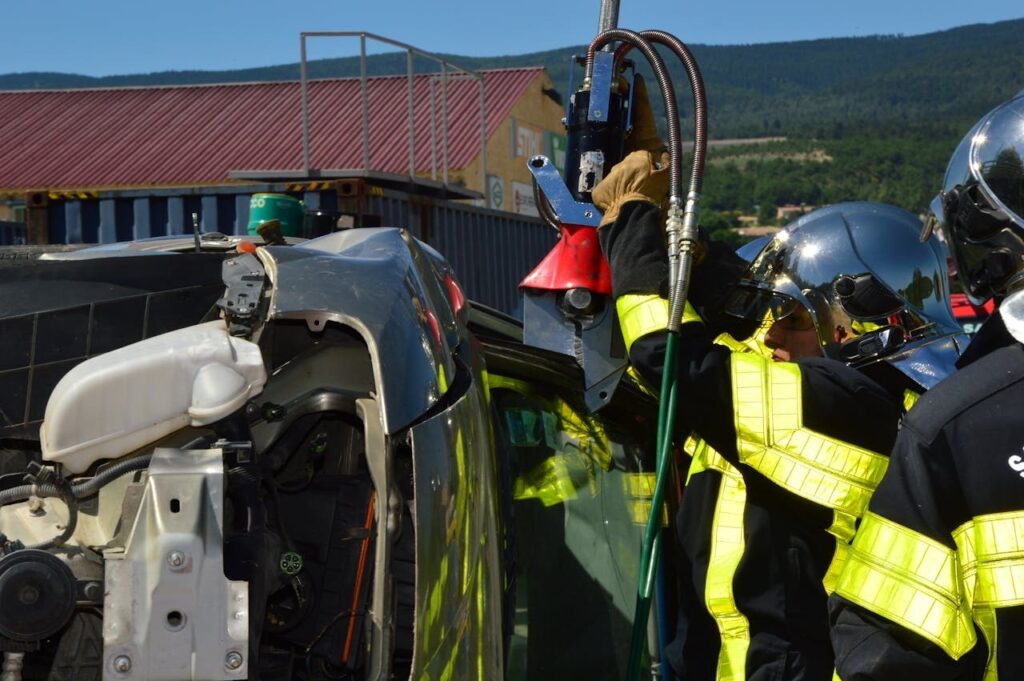
A settlement or verdict needs to account for all of this. It needs to account for inflation. It needs to account for medical complications that might arise ten years down the road. It is about ensuring that the negligence of a corporation doesn’t bankrupt your family.
Fort Lauderdale is a vibrant, busy city. The trucks aren’t going anywhere. They will keep rolling down I-95. They will keep crowding the turnpike. We need them. But we also need them to be safe. We need the companies to follow the rules. And when they don’t, we need a system that holds them accountable.
If you are on the road, keep your distance. Don’t linger in the “No Zone.” Give them space to turn. But if the worst happens, know that you don’t have to face the corporate giants alone. There is a path through the wreckage. It is not easy. It is not quick. But with the right help and a refusal to back down, you can come out the other side. You can rebuild. You can find justice in the chaos.