

The moment nobody plans for
Pregnancy comes with enough uncertainty already. But there’s a special kind of shock when the delivery room turns from “almost there” to “what is happening right now?” It can be quiet panic, loud panic, or that eerie calm where everyone suddenly talks faster and avoids eye contact. Families often describe it the same way: a blur of alarms, rushed decisions, and then a baby who needs help in a way nobody expected.
Here’s the thing. Not every complication is anyone’s fault. Birth is messy biology. But some injuries are preventable. And when a preventable injury happens, the aftermath becomes its own marathon: specialists, therapy appointments, insurance fights, and the heavy emotional weight of wondering what should have happened differently.
So let’s get practical. What kinds of errors lead to newborn harm? What should a family do in the first days and weeks? And how does a claim even work in Texas when the injury happened in a hospital setting?
Common delivery-room mistakes that can change a child’s life
A lot of birth injury cases follow a familiar pattern. The pregnancy may have looked normal, then labor gets complicated, and the care team either misses warning signs or responds too slowly. Sometimes it’s a failure to monitor fetal distress. Sometimes it’s waiting too long to move to a C-section. Sometimes it’s improper use of tools like forceps or vacuum assistance. Sometimes it’s communication breakdown, one nurse noticing something, another nurse assuming someone else called the doctor. Little gaps add up.
And the injuries? They range from “resolves with time” to “this will shape the child’s entire future.” Oxygen deprivation injuries can lead to brain damage and developmental challenges. Shoulder dystocia can cause brachial plexus injuries. Trauma during delivery can mean fractures or bleeding. It’s a wide spectrum.
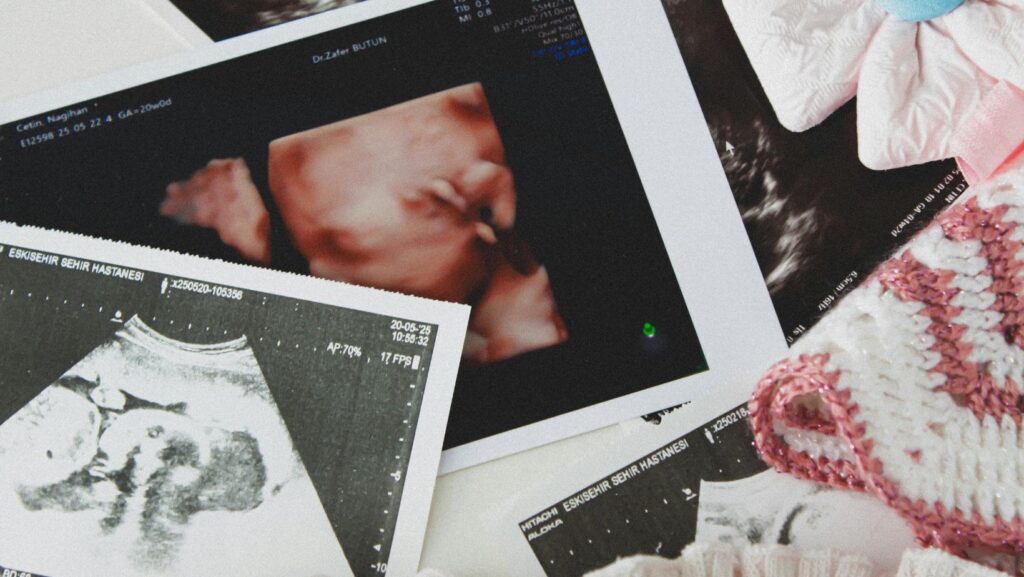
If this is happening to a family right now, the most important truth is also the least satisfying one: the full picture often doesn’t show up immediately. Some issues surface in the NICU. Others emerge months later when milestones get missed. That delay can make parents second-guess themselves. “Is it really connected?” Often, yes. Sometimes, no. But the question deserves a careful, documented answer.
The early steps that matter more than most people realize
In the first days after a suspected newborn injury, families are running on fumes. Sleep is wrecked. Emotions are all over the place. And paperwork is the last thing anyone wants to think about.
Still, a few moves can protect both the child’s health and the family’s options later:
- Stay anchored to medical care first. Follow-up visits, referrals, therapy evaluations, imaging if recommended. Don’t minimize symptoms just because a provider seems casual about them.
- Ask for clear documentation. If a clinician mentions fetal distress, low Apgar scores, resuscitation, or complications, ask for those details in writing. Not in a confrontational way. Just calmly: “Can this be documented in the record?”
- Request records sooner than later. Labor and delivery notes, fetal monitoring strips, anesthesia records, NICU charts, and discharge summaries.
- Start a simple timeline. Date, time, who said what, what was done. Nothing fancy. A notes app is fine. Memory is unreliable when stress is high.
- Photograph visible injuries. Bruising, swelling, marks from instruments. It feels strange, but it can matter.
And yes, families also wonder: “Is it too soon to talk to a lawyer?” Not necessarily. Early consultation can help preserve evidence and clarify what’s realistic. It doesn’t have to be dramatic. It can be information gathering.
In Texas, families looking for a clear overview of how these cases are evaluated often start with resources like a birth injury lawyer page because it lays out the typical errors and the kinds of damages that may be involved.
What “proof” looks like in a Texas birth injury claim
People assume these cases are about pointing fingers. In reality, they’re about standards. Medical malpractice claims revolve around whether the care team met the accepted standard of care under similar circumstances, and whether a breach caused harm.
That means evidence tends to cluster around a few big categories:
- Monitoring data and vital trends: fetal heart rate patterns, maternal vitals, labor progression
- Decision-making timestamps: when distress was noted, when a physician was notified, when interventions occurred, when a C-section decision was made
- Clinical rationale: why a certain route was chosen, what alternatives were considered
- Expert review: specialists interpreting strips, imaging, and protocols to assess whether the response was appropriate
- Causation analysis: connecting the negligence to the injury, not just showing the injury exists
This is where families sometimes feel whiplash. The medical system can be confident and vague at the same time. “These things happen” is true, but not always the end of the story.
Damages are not just hospital bills
When people hear “compensation,” they often think of a settlement check and then move on. But birth injury cases are different because the costs can stretch across decades. A child may need physical therapy, occupational therapy, speech therapy, assistive equipment, specialized education supports, home modifications, and caregiver time that quietly reshapes a parent’s career.
Also, there’s the less visible damage. Stress fractures families. Siblings feel the shift. Parents grieve the version of early parenthood they expected. And yes, grief can exist alongside love. Both can be true.
If you want a non-legal, human-centered look at what families go through emotionally and practically, this piece on guidance for coping and advocacy after birth injuries fits naturally into the bigger picture.
A few myths that keep families stuck
Myth: “If the hospital didn’t admit fault, nothing happened.” Hospitals rarely “admit” anything early. That’s normal, even when negligence is real.
Myth: “If the baby looked fine at discharge, the case is dead.” Some injuries take time to show.
Myth: “A lawsuit is automatic.” It isn’t. A careful review might show the team acted appropriately. The point is to know, not to assume.
Myth: “Waiting doesn’t matter.” Waiting can absolutely matter, especially for records, witnesses, and legal deadlines.
The steady way forward
When a newborn is hurt, families want certainty. They want a simple explanation and a clean fix. But the path is usually layered: medicine, therapy, school planning, insurance, and sometimes legal action.
The best approach is boring, consistent, and kind of relentless. Get answers. Document. Follow medical guidance. Ask uncomfortable questions without apologizing for it. Because a child’s future deserves that level of attention. And if the injury was preventable, accountability is part of care too.