
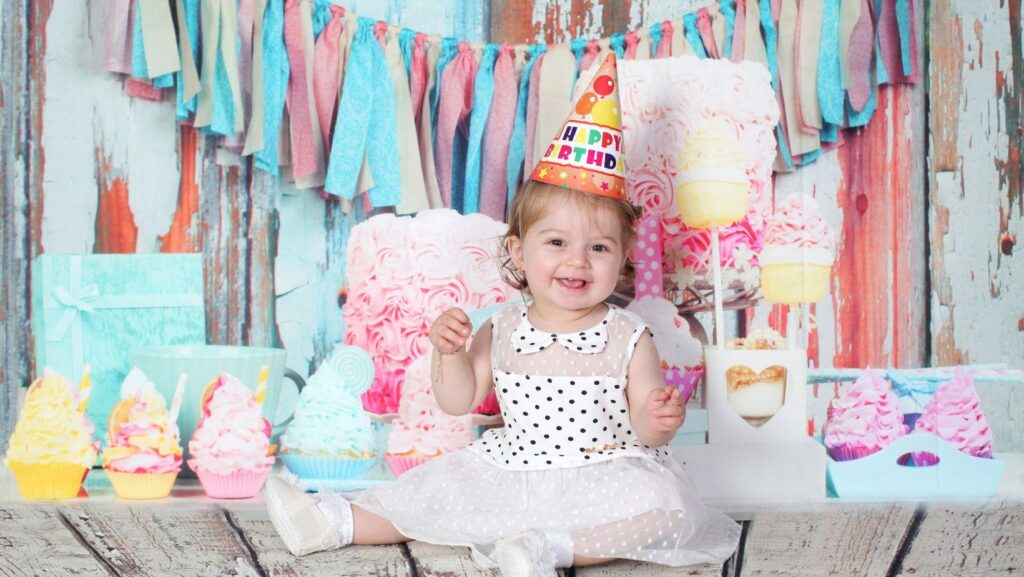
A child's first birthday is a special milestone for the entire family. Although a one-year-old may not remember the party, the day gives parents an opportunity to reflect on the changes, discoveries, and little moments that have shaped the baby's first year. From the first smile and first attempts at crawling to new sounds, favourite games, and familiar faces, the months leading up to the birthday often pass faster than anyone expects.
For relatives and friends, the occasion offers a chance to celebrate the child while showing appreciation for the parents, who have spent the past year adjusting to new routines and responsibilities. A thoughtful present, a relaxed family gathering, or a small keepsake can make the day feel personal without turning it into an expensive production.
The most meaningful celebrations are not necessarily the biggest ones. What matters is creating a comfortable atmosphere, choosing activities that suit a young child, and making space for the family to enjoy the occasion together. With a little planning, a first birthday can become the beginning of traditions that continue as the child grows.
Why a First Birthday Means So Much to Parents
The first year of a child's life brings changes that can be difficult to appreciate while they are happening. Parents spend countless hours feeding, comforting, entertaining, and caring for their baby, often while managing interrupted sleep and unfamiliar responsibilities. By the time the first birthday arrives, even ordinary routines may feel like significant achievements.
Looking back at photographs and videos can help families see how much has changed. A newborn who once needed constant physical support may now be sitting independently, reaching for toys, responding to familiar voices, or attempting their first steps. Development varies from child to child, but the accumulation of small changes makes the first year memorable for many families.
A birthday gathering also gives relatives and friends an opportunity to share in the milestone. Some may have visited frequently, while others might be meeting the child for the first time. Bringing everyone together can strengthen family relationships and give parents a chance to celebrate with people who have supported them throughout the year.
It is worth remembering that the celebration belongs to the family, not to social media. Parents do not need elaborate decorations, professional photography, or a large guest list to mark the occasion. A small gathering that reflects their preferences can be just as meaningful as a carefully organised party.
Plan a Celebration Around the Baby’s Routine
A first birthday party should suit the child’s needs rather than follow a rigid schedule. One-year-olds may become tired or overwhelmed when they are surrounded by unfamiliar people, loud music, bright decorations, and several activities at once. Keeping the gathering relatively simple can make the experience more comfortable for everyone.
Start by considering the baby's usual sleeping and eating times. A celebration scheduled around a familiar nap routine may be easier than one that continues through the child's normal rest period. Parents can also decide how long they would like the gathering to last, leaving room for flexibility if the baby becomes tired or needs a quieter environment.
The setting matters as well. A home gathering can give the child access to familiar surroundings, while a garden or suitable family venue may provide more room for guests. Whatever the location, make sure there is a comfortable place for feeding, changing, resting, and taking a break from the activity.
Guest numbers should reflect the baby's temperament and the parents' preferences. Some children enjoy being around a crowd, while others are more comfortable with a small group of familiar people. There is no need to invite everyone at once if a quieter celebration better suits the family.
Choose a Theme That Feels Personal
Birthday themes can make planning easier by providing a starting point for decorations, invitations, food, and photographs. However, a first birthday does not need an elaborate theme or expensive matching accessories to feel special.
Parents might choose a favourite animal, a storybook character, a garden-inspired setting, or a simple colour palette. Family traditions can provide inspiration too, particularly when the occasion includes cultural or religious customs that are important to the household.
A theme can be carried through a few carefully selected details rather than applied to every object in the room. A decorated cake, a simple table display, a few balloons placed safely out of reach, and a coordinated birthday outfit may be enough to create a festive atmosphere without overwhelming the space.
Personal touches often matter more than decorative perfection. A display of photographs from the baby's first year, a handmade banner, or a small collection of cards from relatives can give the gathering a more individual feel. These details also provide conversation starters for guests who have watched the child grow from a newborn.
When choosing decorations, keep safety in mind. Small detachable pieces, loose cords, fragile ornaments, and balloons that can burst or become choking hazards should be kept away from the baby. Decorations should add to the celebration without creating unnecessary risks.
How to Choose a Gift That the Family Will Appreciate
Buying a present for a one-year-old can be surprisingly challenging. The child is still very young, preferences are beginning to emerge, and parents may already have many toys, clothes, and nursery items. Rather than buying something simply because it looks impressive, consider what would be suitable for the child's age and useful to the family.
Age-appropriate books, sturdy toys designed for supervised play, practical clothing, and personalised keepsakes are all possibilities. Some families prefer gifts that encourage interaction, while others appreciate useful everyday items that they can incorporate into their routines. If you are close to the parents, asking whether they have a wish list can help you avoid duplicates.
For relatives and friends searching for first birthday gifts, a thoughtfully selected gift hamper can be a convenient way to mark the occasion with several complementary items in one present.
Before purchasing, check the recommended age range, safety information, and suitability of any small components. Toys should be appropriate for the child's developmental stage, and items intended for older children may not be suitable for a one-year-old. If the gift includes clothing, it can be helpful to check the child's current size and the season in which the items will be worn.
A personal message can make the present feel more meaningful. A short note wishing the child happiness and sharing a memory from the first year can become a keepsake that parents may enjoy reading again in the future.
Give a Gift That Can Become a Family Keepsake
Not every birthday present needs to be used immediately. Some gifts are valued because they help families preserve memories of an important stage in a child's life.
A personalised storybook, a framed family photograph, a keepsake box, or a handwritten letter can become part of the child's personal history. Parents might also appreciate a small album where they can collect photographs, birthday cards, and notes about memorable moments from the first year.
The best keepsakes tend to have a personal connection. A book chosen because it was a favourite during bedtime reading, for example, may carry more meaning than an expensive decorative object with no connection to the family. Similarly, a letter describing the baby's personality, favourite games, or memorable milestones can offer the child something interesting to read when they are older.
It is also worth checking with parents before buying personalised products. They may have preferences about names, photographs, religious symbols, or the kinds of items they want to keep. A quick conversation can help ensure that the gift reflects the family's wishes.
If a keepsake is intended to be displayed in a child's room, consider whether it is decorative or suitable for everyday play. Items with fragile parts, loose attachments, or other potential hazards should be kept out of reach and used only as intended.
Make the Party Enjoyable for Young Guests
If other children are attending, a few simple activities can help them enjoy the celebration without making the event feel over-organised. At this age, children usually benefit from opportunities to move, explore, and interact with suitable objects rather than being expected to participate in structured games for long periods.
A small area with age-appropriate books, soft play items, or simple toys can provide an alternative to the main gathering. Older children might enjoy drawing a birthday picture, making a card for the baby, or helping adults prepare a simple decoration before guests arrive.
These activities can also encourage older siblings and cousins to feel included. Instead of treating the birthday as an event only for adults and the baby, families can give older children small opportunities to contribute in ways that suit their age and abilities.
Parents should make sure that toys and activities are appropriate for the children using them. Small pieces that may be suitable for older children can present choking risks to babies and toddlers, so play areas should be arranged with supervision and age differences in mind.
The goal is not to keep every child occupied every minute. A relaxed environment gives children room to play naturally while allowing adults to enjoy conversations and celebrate the occasion.
Preserve Memories Without Trying to Make Everything Perfect
A first birthday can pass quickly, especially when parents are busy greeting guests, serving food, and attending to the baby. Taking a few photographs and short videos can help preserve the day, but it is not necessary to document every moment.
Consider choosing a handful of photographs that tell the story of the occasion. These might include a family portrait, a picture of the birthday child with close relatives, the cake, and a few informal moments during the gathering. A short video message from grandparents or friends who could not attend can also become a meaningful addition to the family's collection.
Parents can create a simple memory record by writing down a few details about the child's first year. Favourite songs, familiar games, new expressions, foods the baby enjoys, or amusing family moments may seem ordinary at the time, but these details can become precious memories later.
If photographs will be shared online, think carefully about privacy. Parents should decide which images they are comfortable sharing, who can see them, and whether other guests have agreed to have their photographs posted. A family celebration can be documented without making every moment publicly available.
A printed photograph or a small physical album is another way to keep memories accessible. Digital images are convenient, but selecting a few favourites and placing them in an album gives the family something tangible to revisit together.
Start Traditions That Can Grow With the Child
A first birthday can be a good time to begin a family tradition that continues for years. Repeated activities create a sense of familiarity, allowing children to recognise special occasions as they grow older.
One family might take a photograph in the same place every birthday, while another might write a short letter describing the child's interests and personality each year. Some families keep a birthday book in which relatives write messages, while others make a habit of choosing one storybook to read together on the day.
The tradition does not need to be elaborate. In fact, simple rituals are often easier to maintain because they do not depend on a large budget or extensive preparation. A special breakfast, a family walk, or a birthday story before bedtime can become something the child looks forward to as they get older.
Traditions can also reflect a family's values. Parents may use birthdays as an opportunity to talk about gratitude, remember people who have helped them, or encourage children to make a card for someone they care about. These small practices connect celebration with relationships and consideration for others.
As the child grows, allow the tradition to change with their interests. A birthday activity that works for a one-year-old will not necessarily appeal to a school-age child, and adapting the ritual can keep it meaningful without losing its familiar foundation.
Celebrate the Parents, Too
The first birthday is a milestone for the parents as much as it is for the child. During the first year, they may have navigated new responsibilities, changing routines, worries about development, and the challenge of balancing family life with work and other commitments.
A kind gesture towards the parents can therefore be just as appreciated as the baby's present. Relatives might offer to help prepare food, bring a meal, tidy up after the gathering, or simply give the parents time to enjoy the celebration without managing every detail themselves.
A handwritten message acknowledging the effort involved in the first year can also be meaningful. New parents do not always receive recognition for the everyday work of caring for a baby, and a sincere expression of support can help them feel appreciated.
When planning a celebration, avoid placing unnecessary pressure on the family to meet expectations set by other people's parties or social media photographs. The parents may prefer a quiet day at home, a small gathering with relatives, or a larger event with friends. Respecting their choice is part of making the occasion positive.
A first birthday should give the family a chance to enjoy the milestone, not leave them exhausted by preparations that are more complicated than they wanted.
Make the Milestone Meaningful in Your Own Way
A child's first birthday does not have to follow a particular formula. Some families celebrate with a gathering and cake, others prefer a quiet day together, and many combine personal traditions with a few thoughtful presents. The right approach depends on the child's needs, the family's preferences, and the time and resources available.
Focus on what will make the occasion enjoyable rather than trying to include every possible decoration, activity, or gift. Choose age-appropriate items, create a comfortable setting, take a few photographs, and leave room for the ordinary moments that often become the most memorable.
Most importantly, remember that the celebration marks the beginning of many more milestones. The first birthday is a chance to reflect on the year that has passed, appreciate the people who have helped along the way, and look forward to the experiences still to come.
A meaningful celebration is not measured by how much it costs or how impressive it appears to others. It is measured by the care behind it, the relationships it strengthens, and the memories the family carries into the years ahead.