
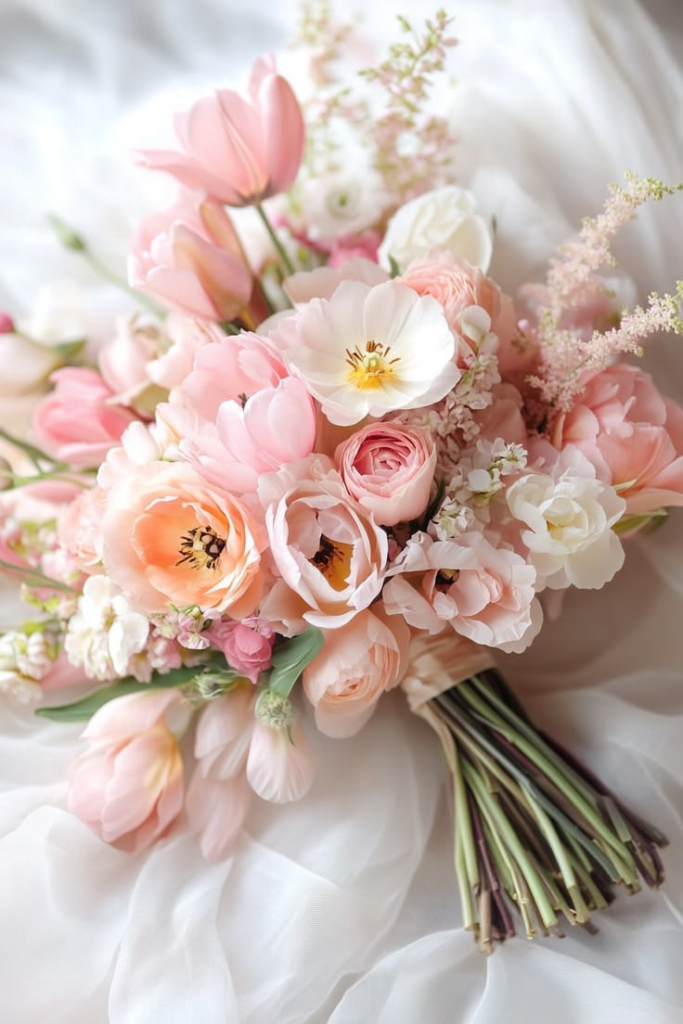
I remember a wedding where the flower girl, little Emma, was absolutely enchanted by the beautiful blooms around her.
She kept touching everything — the centerpieces, the arch flowers, even the petals scattered down the aisle. Her mother was nervous, but I assured her we’d chosen only safe, non-toxic flowers for the ceremony and reception.
But not every wedding is so lucky. I’ve seen bouquets made with flowers that could cause rashes, allergies, or worse if touched or ingested by curious little hands.
If you’re planning a wedding with children in attendance — flower girls, ring bearers, or young guests — choosing safe flowers is just as important as choosing beautiful ones. A luxury florist South Florida can guide you toward gorgeous, child-friendly options that won’t compromise safety. But if you want to understand what’s safe and what to avoid, keep reading.
I’ve been a wedding florist for over fifteen years, and I’ve learned that not all flowers are created equal when it comes to safety. Some are toxic. Some cause allergies. Some have thorns or irritants that can hurt little hands.
Let’s break down everything you need to know about child-friendly wedding flowers.
Why Flower Safety Matters at Weddings
Weddings are joyful celebrations, but they can also be chaotic. Children run around. They touch things. They put things in their mouths. They’re curious.
Sharon Dower, a floral educator, puts it bluntly: “Some of the most popular wedding flowers are toxic.” She’s right — and it’s something many couples don’t consider until it’s too late.
Love from Lila explains: “I speak to couples all of the time who want flowers on their wedding cake. And between Pinterest, styled shoots, real wedding cakes and uninformed cake designers and florists, it’s easy to assume that anything goes.”
But anything doesn’t go. When children are present, safety has to come first.
Flowers to Avoid: Toxic and Dangerous Blooms
The Most Common Toxic Wedding Flowers
1. Eucalyptus
Eucalyptus is everywhere — trailing from bouquets, archways, and centerpieces. It smells divine and looks gorgeous. But Sharon Dower warns: “Eucalyptus – trendy, trailing, smells divine… but toxic if ingested.”
2. Lily of the Valley
Delicate, romantic, and incredibly poisonous. Sharon Dower notes it’s “highly poisonous” and should never be near food or children.
3. Hydrangea
A wedding favorite, but it contains cyanogenic compounds. If ingested, it can cause stomach issues. Keep it away from little hands.
4. Delphinium
Stunning and tall, but toxic. Children shouldn’t touch or eat it.
5. Baby’s Breath (Gypsophila)
A classic filler flower. But Sharon Dower points out that baby’s breath is “actually toxic for human consumption.” It can cause stomach irritation if ingested.
6. Foxglove
All parts of foxglove are toxic. It can cause serious health issues. Avoid entirely if children are present.
7. Hyacinth
Hyacinths are gorgeous and fragrant, but the bulbs and stems can cause skin irritation and are toxic if ingested.
8. Tulips
Beautiful and popular, but tulip bulbs contain toxins. The stems can also irritate sensitive skin.
9. Daffodils
Cheerful and bright, but daffodil bulbs contain toxic alkaloids. Even the sap can cause skin irritation.
10. Calla Lilies
Sleek and elegant, but calla lilies contain calcium oxalate crystals. They can cause mouth irritation and swelling if ingested.
Flowers That Are Safe for Children
The Safest Choices
1. Roses
Roses are the gold standard for child-friendly weddings. They’re non-toxic, have low pollen, and are skin-safe. Rosaholics confirms: “When selecting roses for kids, these blooms should be non-toxic, low-pollen, and skin-safe, making them perfect for children and wedding guests.”
2. Lisianthus
Shannon Turner Cakes lists lisianthus among “generally safe flowers” based on botanical research. They’re beautiful, romantic, and safe.
3. Chamomile
Also safe, according to Shannon Turner Cakes. Plus, it has a lovely, gentle scent.
4. Sunflowers
Big, cheerful, and completely non-toxic. Perfect for rustic or bohemian weddings.
5. Snapdragons
Bright and colorful. Children love them, and they’re safe to touch.
6. Zinnias
Colorful and safe. They’re a great choice for garden-style weddings.
7. Marigolds
Bright and cheerful. Safe for children and pets.
8. Cosmos
Delicate and safe. They add a lovely airy feel to arrangements.
9. Daisies
Classic and safe. You can’t go wrong with daisies.
10. Orchids (Phalaenopsis)
Easy Weddings advises: “Unscented roses, tulips, ranunculus, phalaenopsis and other unscented orchids” are safe choices. Orchids are exotic and elegant.
11. Ranunculus
Also recommended by Easy Weddings as a safe choice. They’re layered and romantic.
12. Lavender
Safe and beautifully fragrant. Great for rustic or garden weddings.
Flowers to Avoid for Allergies
Some flowers are safe to touch but can trigger allergies.
Easy Weddings advises: “I have found unscented roses, tulips, ranunculus, phalaenopsis and other unscented orchids to all be safe for my many bridal couples.”
Avoid:
- Strongly scented lilies — they can cause headaches and allergic reactions.
- Chrysanthemums — they have high pollen and can trigger allergies.
- Dahlias — beautiful, but can cause skin irritation in sensitive people.
- Asters — high pollen, potential allergen.
- Freesias — gorgeous, but some people react to their scent.
Flowers to Avoid on Wedding Cakes
This deserves special attention. When flowers touch food, safety becomes even more critical.
Love from Lila has created an essential guide: “Edible, Contact Safe, Toxic: Using Flowers on a Wedding Cake.”
The Dangerous List
- Eucalyptus — toxic if ingested. Should never touch a cake.
- Lily of the Valley — highly poisonous. Absolutely not.
- Hydrangea — contains cyanogenic compounds. Avoid.
- Delphinium — toxic. Not safe for cakes.
- Baby’s Breath — toxic if ingested. Should not be on cakes.
- Foxglove — toxic. Never use.
- Hyacinth — toxic bulbs, skin irritant. Avoid.
Shannon Turner Cakes emphasizes: “Not All Wedding Flowers Are Safe: A Wedding Cake Flower Safety Guide.” She warns that barrier methods aren’t always enough — some flowers should never be near food.
Sharon Dower adds: “A wedding cake is food. It’s being served to guests. Children. Elderly relatives. People with allergies. If a flower is not food-safe, it should never directly touch cake.”
The Safe List for Cake Decorating
Love from Lila recommends:
- Roses — edible and beautiful.
- Nasturtiums — edible and colorful.
- Marigolds — edible, vibrant.
- Chamomile — safe.
- Lavender — edible in small amounts.
- Violets — edible, delicate.
Flower Girl Safety: Special Considerations
Flower girls are the most vulnerable to flower-related issues. They’re often young, curious, and holding flowers in their hands.
Rosaholics offers excellent advice: “When selecting roses for kids, these blooms should be non-toxic, low-pollen, and skin-safe, making them perfect for children and wedding guests.”
Tips for Flower Girl Safety
- Choose non-toxic flowers — roses, lisianthus, sunflowers, snapdragons.
- Remove thorns — roses should be de-thorned completely.
- Avoid heavy bouquets — keep them lightweight and easy to hold.
- Check for pollen — choose low-pollen varieties to avoid allergic reactions.
- Test for skin sensitivity — some children react to certain flowers.
- Provide a backup — if the flower girl seems uncomfortable, have a safe alternative ready.
Eco-Friendly and Child-Friendly: Perfect Together
Sustainable Floristry Network offers advice that works for both safety and sustainability:
- Use local and in-season flowers — they’re often fresher and less treated with chemicals.
- Avoid artificially manipulated blooms — many are dyed or chemically preserved.
- Use floral foam alternatives — floral foam contains chemicals that can irritate skin.
- Aim for zero waste floristry — fewer chemicals, safer for everyone.
Quick Safety Checklist for Child-Friendly Weddings
- Research every flower — before you order, check toxicity levels.
- Avoid toxic blooms — eucalyptus, lily of the valley, hydrangea, delphinium, baby’s breath.
- Choose safe alternatives — roses, lisianthus, sunflowers, snapdragons.
- Consider allergies — avoid heavily scented and high-pollen flowers.
- Cake safety — only edible flowers directly on cakes. Others need barriers.
- Flower girl safety — non-toxic, low-pollen, de-thorned, lightweight.
- Clean up fallen petals — children might pick them up and put them in their mouths.
- Supervise young guests — especially near flowers and cake.
Frequently Asked Questions
Q: What flowers are safe for children at weddings?
A: Roses, lisianthus, sunflowers, snapdragons, zinnias, marigolds, cosmos, daisies, phalaenopsis orchids, and ranunculus are safe choices.
Q: Are hydrangeas safe for weddings with children?
A: No. Hydrangeas contain cyanogenic compounds and can be toxic if ingested. Avoid them.
Q: Can I use eucalyptus on a wedding cake?
A: No. Eucalyptus is toxic if ingested. It should never touch food.
Q: What flowers are best for flower girls?
A: Roses, sunflowers, and snapdragons are excellent choices. They’re non-toxic, have low pollen, and are skin-safe.
Q: Should I worry about allergies with wedding flowers?
A: Yes. Avoid strongly scented lilies, chrysanthemums, dahlias, and asters. Choose unscented roses, tulips, ranunculus, and orchids instead.
Q: What flowers are toxic and should be avoided entirely?
A: Eucalyptus, lily of the valley, hydrangea, delphinium, baby’s breath, foxglove, hyacinth (bulbs), and daffodils (bulbs).
Q: Can children eat flower petals?
A: Only if the flowers are edible and grown without pesticides. Roses, marigolds, and nasturtiums are safe to eat. But always check first.
Q: How do I talk to my florist about child-friendly flowers?
A: Be direct. Tell your florist children will be at the wedding and ask them to recommend only non-toxic, low-pollen, skin-safe flowers. A reputable florist will appreciate your concern and guide you accordingly.