
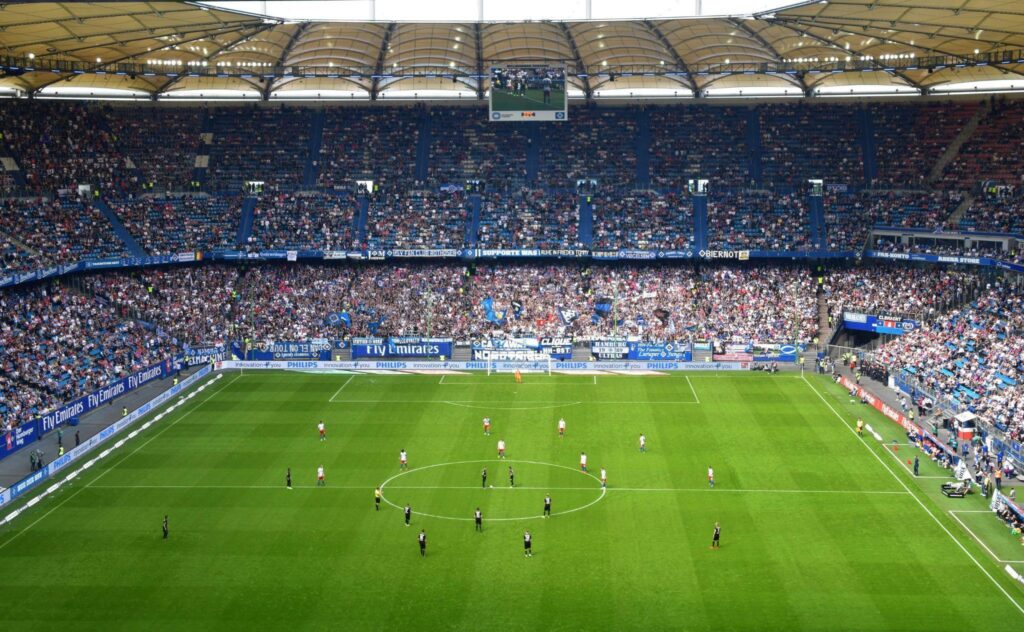
Parents rarely enrol a seven-year-old in football expecting a professional career. The realistic hope is smaller: that a season will leave the child fitter, better at sharing a space with others and more able to stick with something difficult.
Whether that happens depends less on the sport than on how the club runs it. The same weekly fixture builds patience in one environment and resentment in another, which makes the setting more important than the activity.
Adult interest in youth football has grown alongside general coverage of the game. Sports media platforms and statistics portals, among them париматч, form part of the wider information landscape covering clubs and competitions.
Three qualities, three different mechanisms
Discipline, patience and responsibility are often bundled together, though each is learned through a different kind of experience:
|
Quality |
Where it appears |
What builds it |
|
Discipline |
Arriving on time, warm-up routines |
Predictable structure, repeated weekly |
|
Patience |
Slow technical progress |
Visible improvement over months |
|
Responsibility |
Covering for a teammate |
Consequences felt by other people |
Discipline is a routine, not a lecture
Children learn structure by living inside one. Sessions that start at the same time, follow a recognisable sequence and end with a familiar ritual teach more about self-organisation than any speech about commitment. The lesson lands because it repeats, not because it is explained.
Patience and the problem of instant results
Football offers unusually slow feedback. A child may practise a technique for two months before it works in a match, which sits awkwardly against the instant rewards of screens. That gap is where the value lies: effort that pays off later rather than immediately.
What the evidence supports: studies link organised youth sport with better physical health and social connection. Claims that it reliably produces specific character traits are harder to demonstrate, since outcomes depend on coaching quality and team climate.
Responsibility means people, not rules
A missed session in a team sport is not an abstract failure. Someone else fills the position, the drill changes shape and the child sees the effect immediately. That visibility explains why team settings teach accountability more efficiently than individual activities.
The role of competition
Matches concentrate what the training week rehearsed: nerves, unfairness, the need to keep going when losing. Handled well, they give routine practice meaning. Handled badly, with the score treated as the only thing worth discussing, they replace curiosity with anxiety.
When sport stops teaching: recurring stomach aches before matches, hiding minor injuries to keep a squad place, or persistent reluctance to attend are signals worth taking seriously. If they continue, the sensible step is a conversation with a paediatrician or a child mental health professional.
What adults can do during the season
- Ask how the child felt before asking about the score.
- Leave technical correction to the coaching staff.
- Keep attendance steady through unsuccessful weeks.
- Avoid comparisons with siblings or teammates.
- Notice effort and behaviour towards others, not only goals.
Choosing a club with this in mind
Practical questions reveal more than promotional material. How many minutes does every child play at weekends? Does the coach hold qualifications for that age group? Are safeguarding procedures documented, including staff checks and rules on contact with minors? A club unable to answer clearly is worth avoiding.
Where to find reliable information
Regional football associations publish youth competition rules and participation requirements. For training load and child development, paediatric and sports medicine bodies offer better guidance than social media commentary.
Frequently asked questions
|
Question |
Short answer |
|
What age should a child start? |
Most clubs accept children from five or six in play-based formats |
|
Do individual sports teach the same? |
Partly, though accountability to teammates is specific to team sport |
|
Should a reluctant child continue? |
Talk first: reluctance usually points to playing time or group dynamics |
|
How long before changes appear? |
Gradual and individual, with no comparable timeline |
What actually transfers
Football does not automatically produce disciplined or patient children. It offers a structured setting where those behaviours become useful and visible, week after week, in front of people whose opinion the child values. Whether it teaches anything depends on the adults running it.