
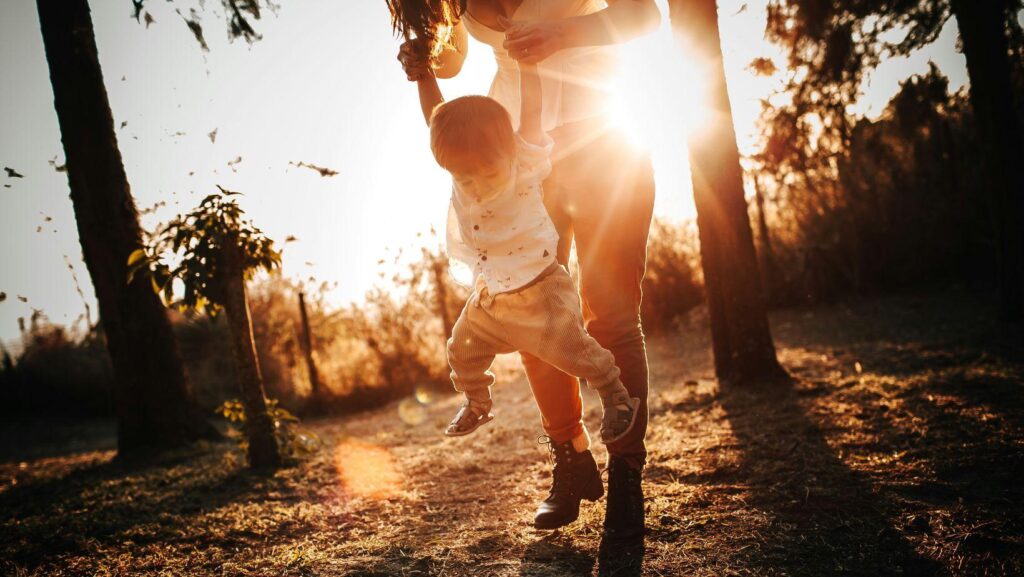
A toddler can cover an astonishing amount of ground in a single afternoon, sprinting toward playgrounds, crouching to inspect every interesting rock, and demanding to be chased the moment a parent’s attention drifts elsewhere. The adult doing the chasing rarely gets the same recovery time an athlete would after a comparable workout.
The physical toll of toddlerhood lands disproportionately on the feet. Parents spend hours each day on hard floors, uneven park paths, and tile kitchens, often in whatever shoes happen to be closest to the door, and that habit catches up with them eventually.
Why Parent Feet Take the Hit
Foot pain affects nearly anyone who spends long stretches standing or walking, and the underlying mechanics are well understood. Standing for long periods can lead to joint pain and stiffness, reduced circulation, fluid buildup, and tired, tight muscles, according to Cleveland Clinic podiatrist Christina Schilero. None of that requires a job that involves standing, since an active toddler can produce the same demands across a single long day at home.
What makes the toddler years particularly hard on feet is the unpredictability of the movement involved. Unlike a structured walk or a scheduled gym session, chasing a toddler means constant starting and stopping, sudden direction changes, and long stretches of standing interrupted by short bursts of speed. That combination strains different parts of the foot than steady walking does, and it rarely allows for the kind of consistent pacing that lets muscles settle into a rhythm.
The Shoes Parents Reach For Are Often the Problem
Many parents end up wearing whatever shoes are fastest to put on, since toddlers do not wait patiently while an adult finds the right pair. Flip-flops, worn-out sneakers, and unsupportive flats are common defaults, and all three tend to make foot pain worse over the course of a long day.
The fix recommended across most podiatric guidance is consistent: start with supportive shoes, then layer on other relief strategies as needed. A pair built specifically for hours of walking and standing offers a foundation that flip-flops or thin-soled flats simply cannot match, regardless of how convenient those options feel in the moment. Parents who want a reliable everyday option can look at a pair of comfortable walking shoes built with that kind of all-day support in mind, since cushioning and stability at the source tend to prevent more discomfort than any after-the-fact remedy.
Small Habits That Add Up Over a Day
Movement breaks help more than most parents expect, even when a full break feels impossible with a toddler in tow. Alternating between sitting and standing throughout the day helps balance the pressure placed on the feet, legs, and lower back, and even brief moments, such as sitting on a park bench while a toddler plays nearby, give overworked muscles a chance to recover.
Posture matters as much during toddler chasing as it does during any other physically demanding activity. Engaging the core, distributing weight evenly through both legs, and avoiding a slouched stance while bent over to tie a shoe or pick up a dropped toy reduces unnecessary strain on the lower back and feet alike.
Calf stretches are a simple, low-effort addition to an evening routine that can ease tightness built up over the course of an active day. A basic version involves standing with the balls of the feet on a step and slowly lowering the heels, holding the stretch for around thirty seconds on each side, a routine borrowed directly from advice given to people who spend entire shifts on their feet.
Building Foot Strength for the Marathon Ahead
Parenting a toddler is closer to an endurance event than a sprint, and the feet benefit from the same kind of conditioning an athlete would build for sustained activity. Simple exercises such as arch lifts and toe curls target the small muscles in the foot directly, helping them hold up better across long days of unpredictable movement.
Calf raises and squats build the leg strength that supports the feet from above, which matters given how much of the day involves crouching down to a toddler’s level and standing back up again. According to Brooks Running’s guidance on standing-related foot pain, combining these exercises with supportive footwear addresses both the immediate discomfort and the underlying muscle fatigue that causes it to return.
When Foot Pain Signals Something More
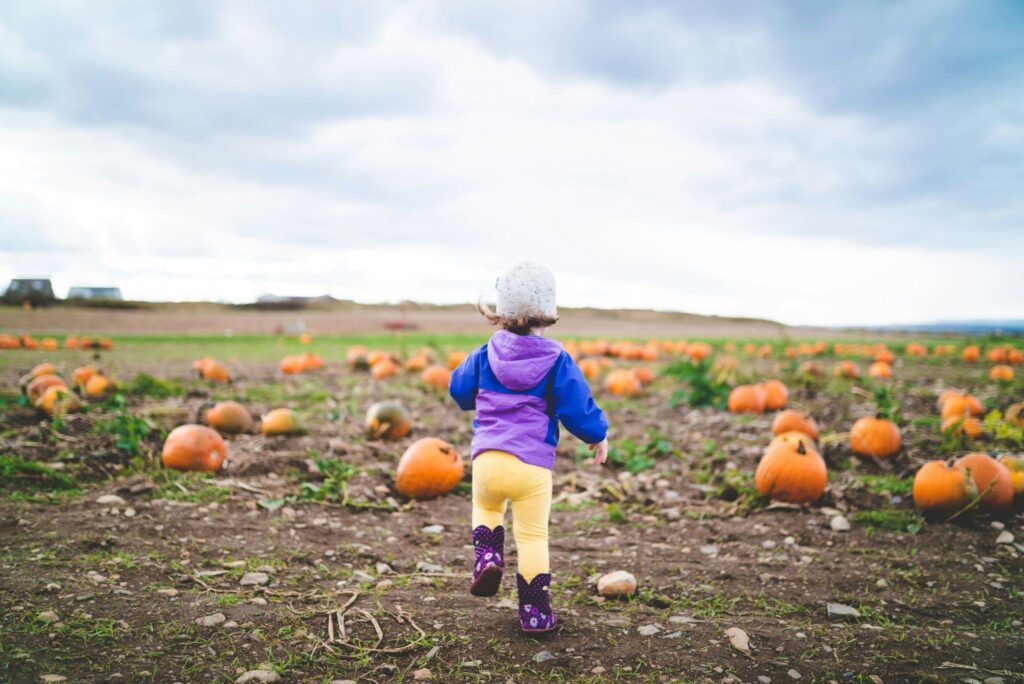 Most of the soreness that comes with chasing a toddler resolves with rest, proper footwear, and the small adjustments outlined above. Persistent, sharp, or worsening pain is a different matter, and Harvard Health’s guidance on avoiding foot pain notes that easing into any new level of physical activity gradually, rather than pushing through obvious discomfort, helps prevent more serious issues such as plantar fasciitis from developing in the first place.
Parents who notice pain that does not improve with rest, or that changes the way they walk or stand, should treat that as a signal worth addressing with a doctor rather than something to push through indefinitely. The demands of an active toddler are not going to ease up on their own schedule, which makes it worth investing in the kind of support that keeps a parent’s feet capable of meeting those demands day after day.
Making the Investment Worth It
The shoes a parent wears during the toddler years take on a kind of importance that rarely existed before, simply because of how many hours they spend in motion. Treating footwear as a genuine investment, rather than an afterthought grabbed on the way out the door, tends to pay off in fewer aching evenings and more energy left over once the toddler finally settles down for the night.
Given how much ground gets covered chasing a small, fast, endlessly curious child, the feet carrying that load deserve the same consideration any other overworked part of the body would get. A supportive pair of shoes will not make toddlerhood any less exhausting, but it can keep the exhaustion from turning into something that lingers well after bedtime.