
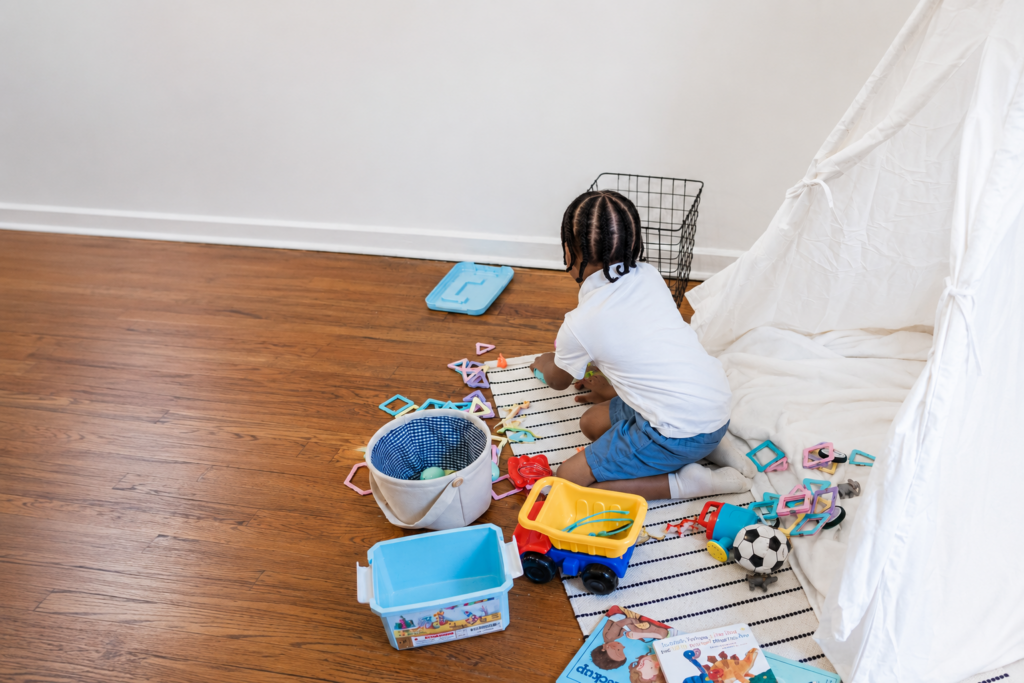
The chaos may start gradually, then before you know it, it’s become a lot all at once. A few toys in the corner turn into bins of plushies. Jackets multiply near the door. Shoes collect in places they were never meant to be. Closets start resisting when you try to close them, and drawers no longer slide without effort. Kids’ belongings don’t just grow, they spread, quietly taking over space that once felt manageable.
Most families reach a point where the house feels full, even when nothing new has been brought in for weeks. The issue isn’t always clutter in the usual sense. It’s volume. Things that are still useful, still needed, just not needed right now. That distinction matters, because it changes how the problem is approached. You’re not trying to get rid of everything. You’re trying to make space for what actually belongs in your day-to-day life.
That’s where a more structured approach in self storage units for home organization start to make a difference. They offer a practical way to manage any overflow without having to make constant compromises inside your home. A 5×10 unit can hold a full season’s worth of kids’ gear along with several boxes of clothing, books, and toys that rotate in and out throughout the year. A 10×10 unit goes further, fitting the contents of an entire bedroom, including smaller furniture pieces that no longer suit the current setup but may still be needed later.
Creating Space by Rotating What You Use
The first change usually comes from looking at what actually needs to stay within reach.
Seasonal items take up more room than people realize. Winter jackets, boots, sports gear, school supplies, all of it cycles in and out depending on the time of year. When everything stays in one storage unit for kids gear, it creates pressure on storage areas that were never designed to hold that much at once. Shelves get crowded, drawers overflow and suddenly even simple routines like getting dressed or packing a school bag start to feel slightly frustrating.
Moving out-of-season clothing and gear into a separate seasonal storage setup opens up immediate space, and more importantly, it brings a sense of order back into everyday areas. Closets become easier to use, drawers close properly, and there’s a noticeable difference in how quickly things can be found. You aren’t just getting rid of things, but letting your home reflect what your family is using right now, not what might be needed months from now.
Using Storage as a Buffer, Not a Backup
There comes a point where even a well-organized home can’t comfortably hold everything.
At this point, off-site storage starts to make sense as an extension of your living space. Treasures that are still important but not needed daily can be moved out without getting lost or forgotten. These are things like outgrown clothing being saved for younger siblings, extra bedding, school projects or large things that don’t fit comfortably in your space.
Using storage in this way changes how space is used at home. Instead of trying to make everything fit all the time, the house becomes a place for what’s actively being used, while the rest is kept accessible but out of the way. It removes that constant feeling of needing to reorganize the same areas over and over again.
As children grow and needs change, flexibility becomes important. Month-to-month options allow families to adjust without committing to long-term plans, making it easier to scale space up or down depending on what stage the household is in. What works one year may not be enough the next, and having that flexibility makes the process far more manageable.
Knowing What Needs a Controlled Environment
Not everything can be packed away in the same way. Certain items need a more stable environment. Wooden toys, keepsakes, documents, artwork, and materials that are sensitive to heat or humidity tend to hold more value over time. These aren’t things used every day, but they’re also not items you want to risk damaging by storing them in conditions that fluctuate too much.
Climate-controlled storage becomes relevant here. It maintains a more consistent temperature and protects against moisture, which helps prevent warping, fading, or deterioration over time. For families holding onto sentimental items or pieces meant to last for years, this added layer of protection allows those items to be stored safely without taking up space at home.
Making Room for the Way Your Family Actually Lives
Reclaiming space is about creating something functional that supports how your family actually moves through the day. When storage is handled with a bit more intention, the home starts to feel different in a very noticeable way. Rooms open up, surfaces clear, and the small daily routines that once felt slightly chaotic begin to settle into something smoother.
There’s also a mental change that happens alongside the physical one. When everything has a place, even if that place isn’t inside the home, it removes a layer of constant decision-making. You’re not trying to figure out where to put something or how to make space for it. That decision has already been made.
Family storage solutions don’t need to be complicated or rigid. They simply need to reflect the natural flow of growth, change, and everyday life that comes with raising kids. Over time, that balance makes the difference between a home that feels full and one that feels like it has room to breathe.