
A car crash can change your routine in a single moment. Even a minor collision may leave you dealing with soreness, stiffness, and emotional exhaustion for weeks afterward.
According to a Statista report, the US had over 237 million licensed drivers on its roads in 2023. This massive driving population creates severe road safety challenges nationwide. Drivers aged 21 to 24 face the absolute highest accident risks.
Additionally, the Insurance Information Institute notes that four million new drivers join American roads every year. Most of these new motorists are teens who are just earning their first driving licenses. However, around a million young drivers are involved in traffic crashes across the US every year.
Basically, road accidents occur every year, and the road to recovery for those injured in these accidents is rather long. While many expect recovery to happen quickly, the body often needs patience and consistent care before real improvement begins. Ignoring physical symptoms usually creates more discomfort later, especially when injuries remain untreated for too long.
In this article, we provide you with a roadmap that can help you heal physically after a car crash.
Seek Immediate Medical Attention
Many crash injuries stay hidden during the first several hours after an accident. Adrenaline often masks pain, making people believe they escaped without any real harm.
Unfortunately, untreated injuries can become more serious when ignored for too long. Neck strain, muscle tears, and spinal issues frequently worsen during the following days.
Seeing a medical professional immediately gives you a better understanding of your condition. Doctors can identify injuries early and create a treatment plan that supports long-term recovery.
Following those recommendations consistently matters just as much as the initial appointment itself. Skipping follow-up visits often slows progress and increases physical discomfort later.
Recovery also requires honesty about how your body feels each day. If pain increases, mention it quickly instead of waiting several weeks. Small symptoms sometimes reveal larger issues developing beneath the surface.
Staying proactive helps prevent chronic problems that interfere with work, sleep, and daily movement. Consistent care creates a much smoother healing experience overall.
Ease Muscle Tension Through Targeted Bodywork Treatments
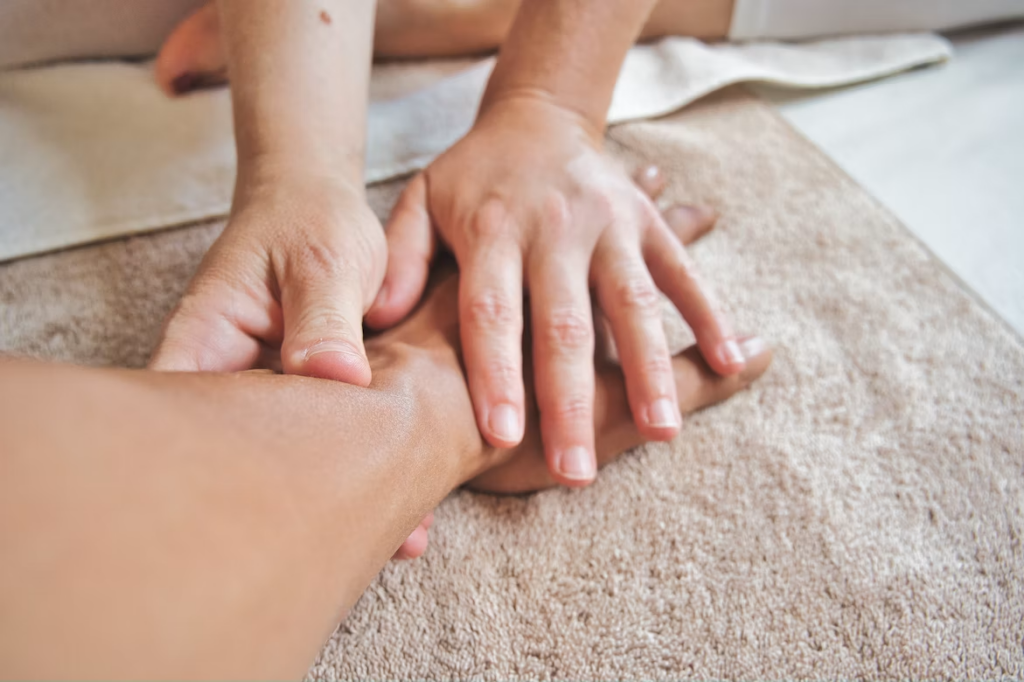
Muscle stiffness often lingers long after visible injuries begin improving. Many crash survivors experience tight shoulders, aching hips, and persistent back pain during recovery. Those symptoms can affect sleep quality, concentration, and overall comfort throughout the day. That is why bodywork treatments and massages become helpful for many people after an accident.
Such treatment facilities should be available in areas that have a bad track record of car crashes. For instance, according to Fox 7, Austin traffic crashes killed 98 people in 2025. Nearly 300 individuals suffered serious injuries during the same year.
These tragic statistics highlight severe roadway safety issues and also the need for quick recovery facilities in the area. Thankfully, you can always find a good Austin massage clinic to help you in your recovery journey. Professional massage clinics frequently support recovery by helping injured muscles relax naturally. Skilled therapists use massage therapy techniques that improve circulation and reduce built-up tension.
Some people benefit most from corrective deep tissue massage because it targets areas holding chronic tightness. Mantis Massage notes that deep tissue massage goes beyond the surface and gets into the muscle and connective tissues’ deeper layers. This approach can improve flexibility while supporting overall healing during long recoveries.
Massage treatment should always complement medical guidance rather than replace it entirely. When used properly, massage often reduces soreness and improves physical comfort between therapy appointments.
In Austin, deep tissue massage therapies are also readily available. Such treatments should also be made available in all accident-prone regions of the country. Many patients notice better movement and less daily discomfort after regular sessions. Combining professional care with consistent massage therapy creates a more balanced recovery experience for the body.
Rebuild Strength Slowly Through Gentle Physical Movement
Rest matters after a collision, but too much inactivity creates additional stiffness and soreness. The body heals better when movement returns gradually and safely over time.
Gentle stretching and light exercise often improve circulation while reducing muscle tightness throughout the body. Controlled movement also supports flexibility and prevents joints from becoming overly restricted.
Physical therapy becomes especially useful during this stage of recovery. A trained therapist can guide exercises that strengthen weak muscles without creating further strain.
These sessions help improve posture, mobility, and balance after injuries affect your normal movement patterns. Patients often notice better energy levels once regular therapy becomes part of their routine.
Trying to rush recovery usually leads to setbacks and frustration. Your body needs time to rebuild strength after trauma, even when symptoms seem mild initially.
Prioritize Sleep, Nutrition, and Hydration Every Day
Your body performs most of its repair work while you rest each night. Poor sleep often increases inflammation and makes physical discomfort feel much more intense. Unfortunately, pain and stress after a crash frequently interrupt healthy sleeping habits. Creating a calm nighttime routine helps your body recover more effectively over time.
In a Healthline article medically reviewed by Meir Kryger, MD, FRCP(C), it is noted that good-quality sleep means at least seven to eight hours of uninterrupted sleep. When of good quality, sleep can help you maintain a healthy weight. It also helps improve heart health and overall metabolism.
Nutrition also plays a major role in physical healing after an accident. Protein supports muscle repair, while fruits and vegetables provide nutrients that reduce inflammation naturally.
Processed foods and sugary drinks often leave people feeling sluggish during recovery periods. Choosing balanced meals consistently helps maintain steady energy and supports tissue repair throughout the body.
Hydration deserves equal attention because muscles and joints function better when properly supported by fluids. Drinking enough water also helps circulation and reduces fatigue during physically demanding recovery stages.
Healthy habits may sound simple, yet they strongly influence how quickly the body improves after injury. Consistency with rest, food, and hydration creates noticeable benefits over time.
FAQs
How to heal the body after a car accident?
Healing after a car accident involves rest, proper medical care, hydration, and gradual physical activity. Following treatment plans and attending follow-up appointments are important. Good nutrition, sleep, and stress management can also support recovery and help the body heal more effectively.
How to heal faster after an accident?
To recover faster, prioritize sleep, eat balanced meals, and follow medical advice carefully. Gentle movement or physical therapy may help restore strength and mobility. Avoid rushing back into strenuous activity too soon, as this can slow healing or worsen injuries.
How long does it take for muscles to heal after a car accident?
Muscle healing time varies depending on the severity of the injury. Mild strains may improve within a few weeks, while more serious injuries can take several months. Factors like age, overall health, and treatment consistency also affect recovery speed.
Car Accidents in the US in Numbers
|
Drivers aged 21–24 facing highest accident risk |
Highest risk group (no percentage given) |
|
New drivers joining US roads annually |
About 4 million |
|
Young drivers involved in crashes annually (US) |
Around 1 million |
|
Traffic deaths in Austin (2025) |
98 deaths |
|
Serious injuries in Austin crashes (2025) |
Nearly 300 people |
Recovering physically after a car crash takes time, effort, and consistent attention to your body’s needs. The process often feels overwhelming during the early weeks, especially when pain disrupts normal routines and activities. Still, healing becomes much more manageable when you follow a thoughtful plan that supports every part of recovery.
Each step helps restore strength, reduce discomfort, and improve confidence throughout daily life again. While recovery may not happen overnight, steady progress eventually leads you toward feeling stronger and more comfortable. Giving your body proper care today creates a healthier future after the accident.