
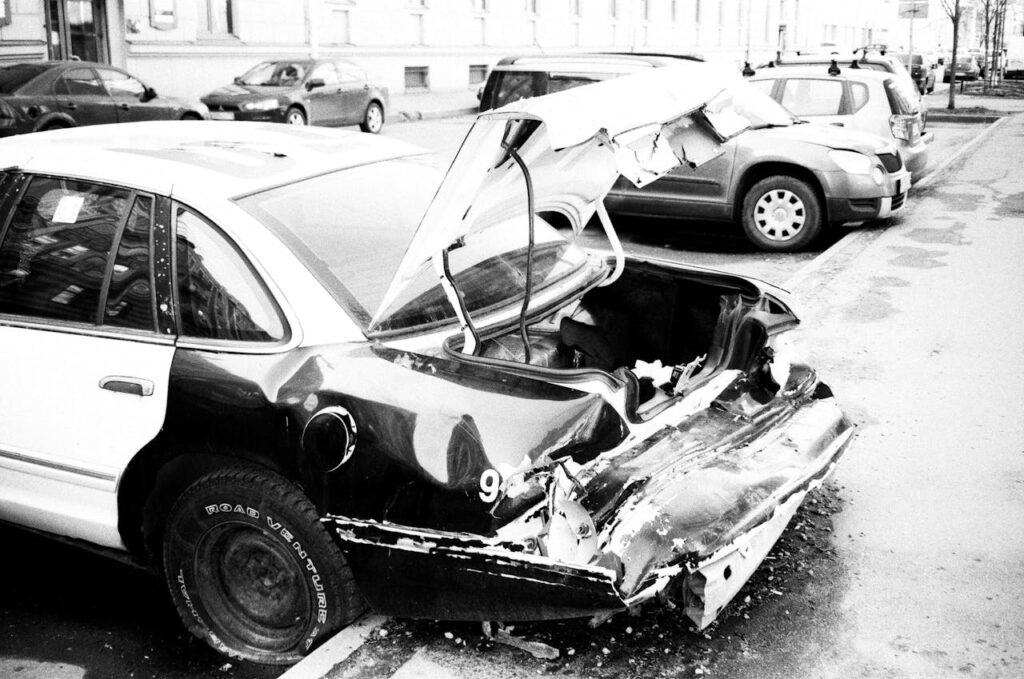
A car wreck in Michigan can feel like a weird magic trick. One second it’s a normal Tuesday drive down I-94 or a quick run to Meijer, and the next second there’s glass, adrenaline, and that low buzzing question: “Wait… what now?”
And sure, people talk about “taking it one step at a time.” But right after a crash, the steps are not obvious. They’re messy. They overlap. Someone says, “call your insurance,” someone else says, “don’t say anything,” and meanwhile, your neck is starting to feel like it got swapped with a rusty hinge.
Michigan adds its own twist, too. No-fault rules. Injury thresholds. Paperwork that shows up in the mail like it owns the place. So let’s walk through the reality of it, in plain language, with the stuff that actually matters.
The First Hour Is About Safety, Not Strategy
Right after the impact, the brain goes into bargain mode. “It’s probably fine.” “It’s not that bad.” “Maybe nobody needs an ambulance.”
Maybe. But Michigan winters, wet leaves in October, and surprise black ice in March do not care about optimism. The first priority is safety:
● Get out of traffic if you can do it safely.
● Call 911 if anyone is hurt, if the crash looks serious, or if the other driver is acting unpredictably
● Snap photos. Not artsy ones. Quick ones: the cars, the plates, the intersection, skid marks, road conditions, traffic lights. Even the “harmless” stuff like slush buildup or sun glare.
And here’s a small thing that ends up being huge: don’t guess out loud. No “Sorry, that was totally my fault,” even if you’re rattled and trying to be polite. It’s possible to be human without making legal statements.
The Paperwork Storm Hits Fast In Michigan
Michigan’s system can feel backwards at first. In many states, the at-fault driver’s insurer is the main pipeline for injury money. In Michigan, the first layer is usually your own auto insurance through Personal Injury Protection, often called PIP. That’s the no-fault part.
So what does PIP typically touch? Medical bills after a crash. Wage loss for time missed from work. Replacement services, meaning help with basic chores when injuries make normal life… not normal. Sometimes, attendant care, depending on the situation.
But then reality shows up with a folder and a smirk. Claims forms. Medical authorizations. Recorded statement requests. Deadlines you didn’t know existed. If you’ve never handled this before, it can feel like trying to solve a puzzle while wearing oven mitts.
That’s why a lot of people at least talk to someone who lives in this world. A good lawyer can explain what benefits come from your own policy, what might come from the other driver, and what not to sign on a tired Thursday night. If that’s the stage you’re in, this is the kind of overview people look for: car accident attorney in Michigan.
Not because lawsuits are the goal. Usually they aren’t. The goal is understanding the lanes and staying out of the ones that end in a dead stop.
“No-Fault” Does Not Mean “No Responsibility”
This part confuses almost everyone.
Michigan no-fault means your own insurance handles certain crash-related losses regardless of who caused the collision. It does not mean nobody is responsible. It does not mean the other driver gets a free pass. It does not mean pain and suffering claims are automatic, either.
Michigan also uses an injury threshold concept for certain lawsuits. In real-life terms, for non-economic damages like pain and suffering, you typically need more than soreness and a few physical therapy visits. The law looks for something serious enough to cross that threshold, and that becomes a battleground in tougher cases.
And then there’s the car itself. Vehicle damage is a separate headache. Depending on your coverage, you might be dealing with your own collision policy, deductibles, and a limited path to recover certain out-of-pocket costs from the at-fault driver. People often learn this in reverse, after the body shop estimate lands with a thud.
So yeah, it’s no-fault. But it’s still complicated. Almost aggressively.
Evidence Is Boring Until It Saves You
There’s a pattern that shows up again and again after a decade of watching crash claims unfold: the people who do best are rarely the loudest or the angriest. They’re the ones with documentation.
A short list of what actually helps:
● A police report if the crash involved injury, death, or significant property damage. It creates a baseline record.
● Medical care early, even if it feels minor. Some injuries show up later. And delayed treatment gives insurers room to argue the injury came from something else.
● A symptom journal, simple notes: pain levels, sleep problems, headaches, driving anxiety, missed activities. Not dramatic. Just real.
● Receipts for prescriptions, braces, co-pays, mileage to appointments, rideshares, and over-the-counter meds. It adds up.
● Work documentation if time is missed: schedules, pay history, employer letters, and disability notes.
Also, a quiet warning: insurance adjusters can sound friendly and casual. Sometimes they are. But they’re still collecting information, and it can be used to minimize what happened. Ever had someone ask a “quick question” that wasn’t quick at all? Same vibe.
Families Get Dragged Into It, Even When They Weren’t In The Car
Here’s the part people don’t talk about enough.
A crash doesn’t stay inside the crumpled metal. It spills into the house. Kids get jumpy in the back seat. A spouse starts handling all the errands. Someone who never missed work is suddenly burning through sick days. The stress shows up in odd places, like short tempers and midnight scrolling.
If the accident shook up the entire household, it helps to think in terms of systems, not just symptoms. What needs to be stabilized first? Transportation? Childcare? Income? Medical scheduling?
For a practical, family-focused checklist that fits naturally into that chaos, this guide can be useful: steps to take when your family faces a car accident.
Because sometimes the hardest part is not the claim. It’s the domino effect.
Watch Out For The “Fast Settlement” Trap
Michigan crash claims often come with early offers. It can feel like relief. Money on the table. A clean ending.
But early offers are often built around what’s known in the first week or two. And the first week or two is when people are still discovering what hurts, what work will allow, whether the concussion symptoms are fading or getting worse, whether that “minor” back pain is turning into something that changes daily life.
A rushed settlement can also close the door on future compensation related to the same crash. That’s not always a bad thing, but it should be a deliberate decision, not an exhaustion decision.
Ask the annoying questions before signing anything:
● What happens if symptoms get worse?
● Are all medical bills accounted for, including follow-ups?
● Is wage loss fully documented, including bonuses or overtime patterns?
● Does the offer reflect long-term impact, or just the first round of treatment?
If nobody can answer those clearly, that’s a signal.
The Quiet Clock In The Background
Legal timelines matter, even when they feel abstract. Michigan has deadlines for different parts of the process, and missing one can limit options later. People assume they can deal with it “when things calm down.”
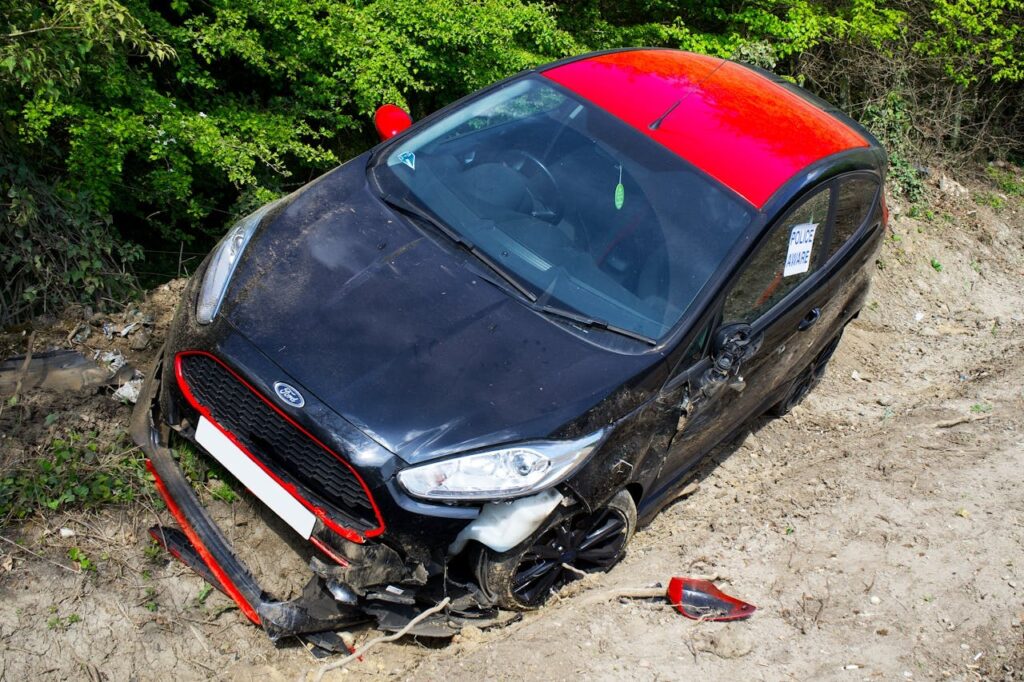
But what if things don’t calm down for months? What if the real injury shows itself later? What if paperwork got misplaced during the shuffle between the tow yard, rental car, and urgent care?
The best time to get organized is earlier than it feels necessary. Annoying, yes. Effective, also yes.
So What’s The Smartest Next Step?
Not the loudest step. Not the most dramatic step.
Usually it’s this:
- Get medical care and keep it consistent.
- Collect the basic evidence while it’s still easy to grab.
- Keep notes, save receipts, and track missed work.
- Learn how Michigan’s no-fault structure applies to the specific situation.
- If the injuries are serious or the insurer starts pushing back, get advice before signing or recording anything.
And if the brain keeps looping back to that same question, “What now?” that’s normal. After a crash, even confident people feel unsteady. A little foggy. Like the world is moving, but the mind is still parked on the shoulder.
It is clear, step by step. Sometimes with help. Sometimes with stubborn persistence. Usually with both.