
Sometimes I wonder why so many gamers later move into IT, design, data analysis, screenwriting, or other creative fields. It doesn’t feel like a coincidence. Games build habits and skills that turn out to be useful far beyond entertainment. Where others need time to adapt, gamers are already familiar with process logic, system structure, and continuous learning. And the deeper I look into this topic, the more natural this connection seems.
Games Shape Systemic Thinking
Complex game projects create an environment where thinking naturally becomes more structured. In strategy, simulation, or tactical games, players constantly have to account for multiple variables, predict the consequences of their actions, and adjust their strategy. These conditions build a habit of understanding systems deeper than they appear at first glance. When a player studies the economy in Civilization or plans the development of an empire in Stellaris, they are essentially training their ability to think systemically.
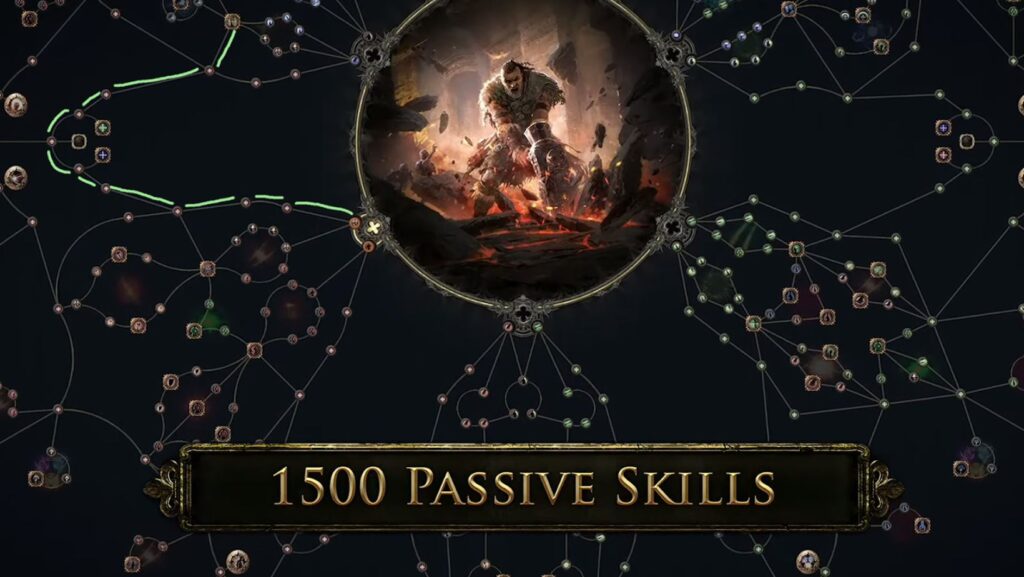
In RPGs with complex builds like Diablo 4, Path of Exile, or Baldur’s Gate 3, the focus shifts to the interactions between skills, resources, and character attributes. It resembles studying a program’s architecture or a sophisticated algorithm: you need to understand how one variable affects another and how the final result forms. In one discussion, I saw analytical materials and today gaming news, where people shared how games taught them to approach tasks logically and step by step. Such gaming experience becomes a kind of preparation for analytics, programming, or technical professions, where seeing the overall structure of a process is essential.
Games also develop the ability to adapt quickly to change. Patches, balance updates, new mechanics – all of this forces the player to rethink strategies, search for new optimal solutions, and test hypotheses. This mindset is nearly identical to what happens in professional environments: in IT you constantly respond to new tasks, technological updates, and shifting requirements. Those who are used to adapting in games often handle the dynamics of real projects much more easily.
Games Develop the Ability to Work With Information
When you deal with complex genres, you gradually form a habit of working with large amounts of data. Players in MMOs, strategy games, or competitive titles constantly study damage values, item stats, in-game formulas, build efficiency, comparison tables, and patch notes. What often starts as simple curiosity eventually turns into full-fledged analytics: data is collected, sorted, compared, and interpreted. This becomes a natural form of training for skills that later prove useful in professional environments.
Within gaming communities, discussions constantly emerge where it’s important to find, verify, and correctly apply information quickly. In competitive disciplines, players analyze the meta, follow trends, and draw conclusions based on numerous sources. In such conversations, I frequently encountered references to materials connected with EGW news, where many people shared how navigating large information flows became a serious advantage at work. This is especially true for analyzing the Dota 2 meta or studying Valorant agents in detail, where you must consider multiple layers of data at once: mechanics, patches, player statistics, tournament results.
If you look more broadly, working with in-game data is very similar to working in IT or analytics. You need to quickly understand the essence of information, identify what actually matters and what is noise, then form conclusions and test them in practice. Over time, this skill turns into a reflex, and players who are used to analyzing complex game systems often handle real-world data tasks noticeably more easily.
Games Train Creativity and Out-of-the-Box Thinking
Many games are built around freedom of choice, encouraging players to find their own solutions. When you face a situation that can be approached in multiple ways, you naturally start experimenting: trying different routes, using unusual items, combining abilities, or interacting with the environment creatively. This habit of exploring alternatives eventually becomes a skill – seeing not only the obvious path but also possibilities that others might overlook.
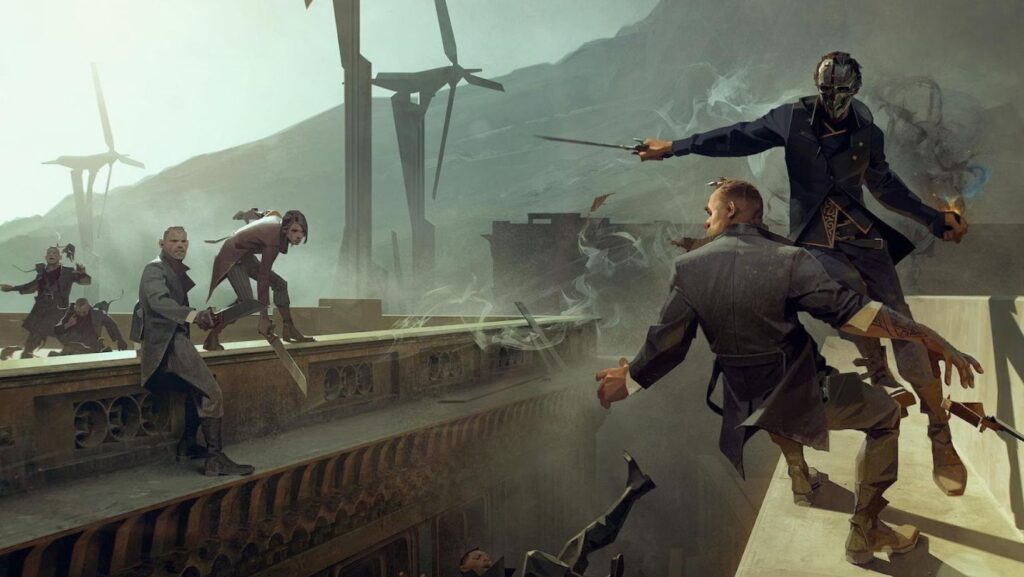
Immersive sims like Dishonored, Prey, or Deus Ex highlight this especially well: every location is essentially a problem to solve, and the game never forces a single correct answer. You can sneak past enemies, hack systems, blow things up, negotiate, use abilities creatively, or simply take a side corridor. This structure shapes flexible thinking, the ability to read a situation dynamically, and the confidence to invent unconventional solutions. These qualities directly overlap with what is required in design, marketing, screenwriting, game development, and other creative fields.
Players who are used to experimenting tend to generate ideas more easily, find unexpected combinations, and aren’t afraid to test unconventional approaches. This becomes noticeable in management and project work as well: being able to adapt, switch between strategies, and choose the optimal path for a specific task becomes a real advantage. Creative professions align particularly well with a gamer’s mindset because they value flexibility, improvisation, and the ability to look at a challenge from different angles.
Games Teach Teamwork and Role Distribution
Online games offer a unique opportunity to experience how collaboration works in a dynamic environment. While one person focuses on defense, another handles damage, and a third supports the entire team. This distribution of responsibilities makes it clear that success depends not on individual actions but on coordination and respect for one another’s roles. In projects like Final Fantasy XIV, Overwatch 2, League of Legends, or Apex Legends, this principle becomes especially clear: it’s not enough to play well, you also need to adapt to the needs of the team.
Team-based games teach communication: explaining decisions, adjusting strategies, asking for help, and giving feedback. And sometimes – leading. In raids or competitive matches, there’s often a need for someone to set direction, assign tasks, monitor the pace, and react quickly to unexpected situations. These skills naturally transfer into real-life work environments, where listening, negotiating, and making decisions with a shared goal in mind are equally important.
Across many industries – from IT to marketing and creative fields – these soft skills are highly valued: the ability to plan together, delegate, and understand the strengths and weaknesses of a team. Team-based games create a safe environment to practice these abilities. Mistakes don’t lead to serious consequences, but they help you understand how to distribute responsibility, support teammates, and maintain motivation in challenging situations.
Conclusion
Games don’t guarantee professional success, but they create an environment where many important skills develop naturally. Systemic thinking, the ability to analyze information, creative flexibility, and teamwork – all of these make gamers strong specialists in IT and related fields. And the more stories I hear from people in the industry, the clearer it becomes that gaming experience can be a solid starting point for professional growth.