
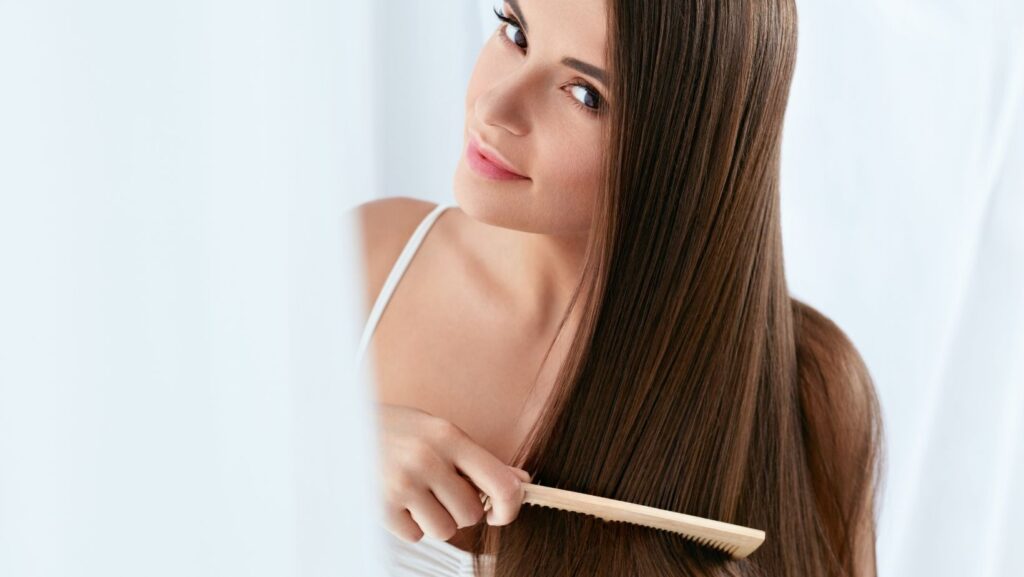
When we think about caring for our hair, most of us reach for the shampoo or spend time browsing conditioners and oils. Those things can certainly make a difference to how hair looks and feels, but the real foundations of healthy hair growth lie much deeper than anything you apply in the shower. Nutrition, hormones, stress levels, sleep – these all shape the condition of your hair in ways that no serum can replicate.
This is why many people start looking at the bigger picture. Some incorporate hair supplements alongside a balanced diet, aiming to cover their nutritional bases. But whether or not you go down that route, understanding how your internal health connects to your hair can shift the way you think about caring for it.
Understanding The Hair Growth Cycle
Hair growth isn’t the continuous, steady process most people imagine. It actually follows a cycle with three distinct phases: anagen, catagen and telogen.
Anagen is the active growth phase. This is when follicles are busy producing new cells, pushing hair upwards through the scalp. It can last for several years and plays a big part in determining how long your hair can grow.
Catagen is a brief transitional stage – just a few weeks – during which the follicle shrinks and separates from its blood supply.
Telogen is the resting phase. The existing hair stays put while a new one quietly forms beneath it, eventually nudging the older strand out as it grows through.
What’s worth knowing is that this cycle is sensitive to what’s happening in the body. Stress, illness, hormonal shifts, nutritional gaps – any of these can push hair into the shedding phase ahead of schedule or slow growth down noticeably.
The Role Of Nutrition In Hair Health
Hair is made primarily of keratin, a structural protein that needs a range of nutrients to form properly. When the body is running low on any of them, hair follicles are often among the first to feel it.
Several nutrients tend to come up repeatedly in conversations about hair health:
Protein is fundamental – hair is essentially made of it. A diet consistently low in protein can lead to weaker strands and increased shedding over time.
Iron helps red blood cells ferry oxygen around the body, including to the scalp and follicles. Low iron is one of the more common links to hair thinning, particularly in women.
Zinc contributes to cell growth and tissue repair, and also helps maintain the oil glands around follicles that keep the scalp environment healthy.
Biotin (vitamin B7) is closely associated with keratin production. Severe deficiencies are fairly rare, but insufficient intake can sometimes affect hair condition.
Vitamin D supports cell growth and immune function, and there’s growing interest in its potential influence on follicle activity.
Most of these can be obtained through a varied diet – lean proteins, leafy greens, nuts, seeds, whole grains, oily fish. That said, dietary habits, health conditions or specific life stages can sometimes make it harder to consistently meet these needs through food alone.
Stress And Its Impact On Hair
Prolonged stress takes a toll on the body in many ways, and hair is no exception. Under sustained pressure, the body can shift more follicles into the telogen phase at once, resulting in a condition called telogen effluvium – where noticeable shedding occurs several months after the triggering event.
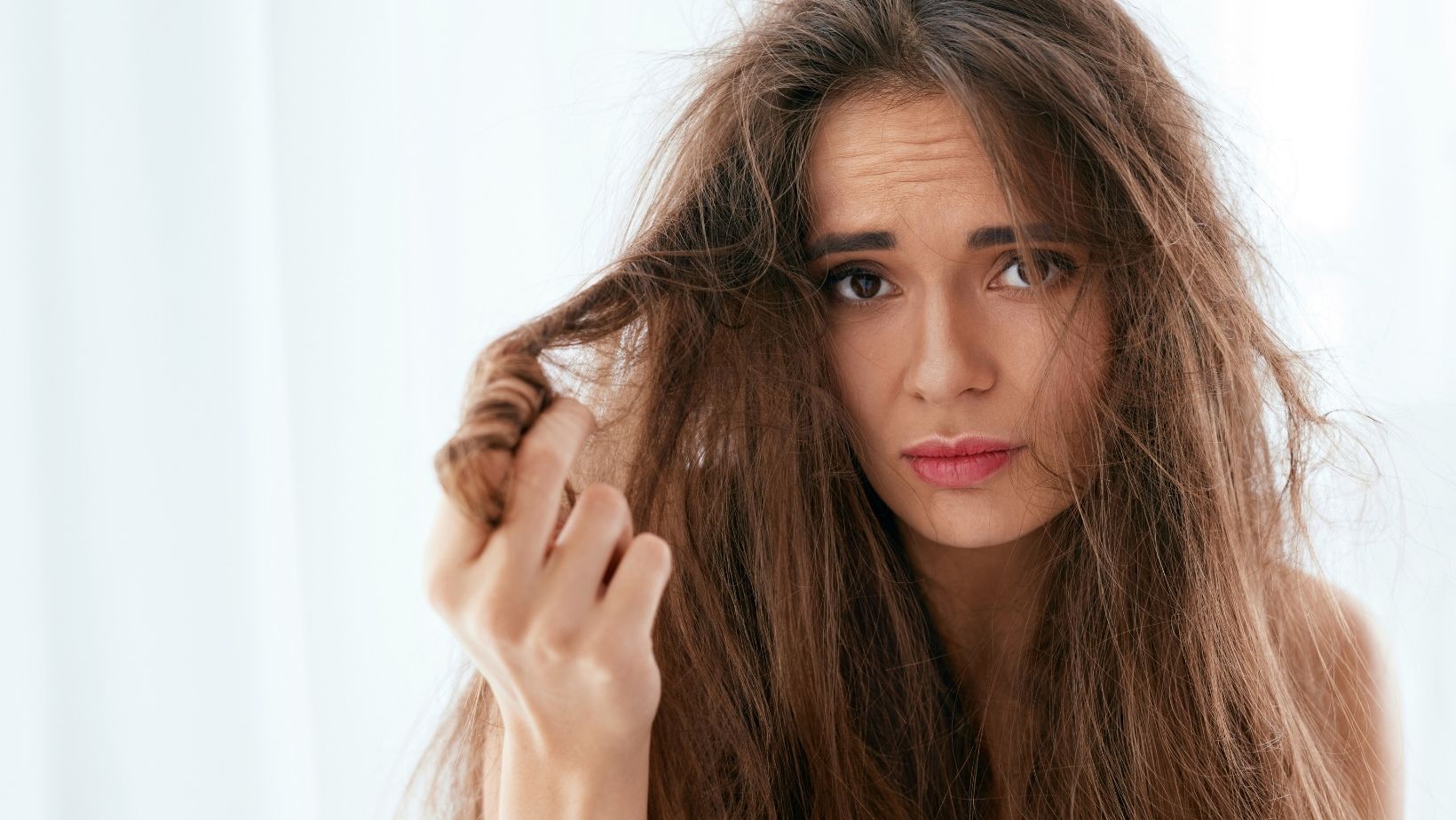
It’s not just emotional stress, either. Illness, surgery, rapid weight loss and significant hormonal changes can all act as triggers. The good news is that this type of hair loss tends to be temporary, but it does illustrate how closely tied hair health is to the body’s overall equilibrium.
Building in regular exercise, prioritising sleep and finding ways to wind down – whether that’s mindfulness, time outdoors or whatever works for you – can all help manage stress levels. And that, in turn, supports a steadier hair growth cycle.
Hormones And Hair Growth
Hormones are quietly involved in regulating almost everything, and hair growth is no different. They influence how long hair stays in the growth phase and how readily it sheds.
During pregnancy, for example, elevated hormone levels keep more strands in the anagen phase for longer, often resulting in noticeably thicker hair. Post-birth, when hormone levels readjust, a period of increased shedding frequently follows.
Conditions such as thyroid imbalances or polycystic ovary syndrome (PCOS) can also alter hair density and growth patterns. And as we age, hormonal changes affect hair texture and thickness in ways that become more apparent over time.
Addressing underlying hormonal issues where they exist is therefore a meaningful part of the picture – not just for hair, but for overall health.
Supporting Hair From The Inside Out
External products have their place. A good conditioner, heat protection, a gentle shampoo – all of these help maintain the appearance and integrity of existing hair. But they can’t influence what happens inside the follicle itself. That’s determined entirely by the body’s internal environment.
A few lifestyle factors tend to work together here. A nutrient-rich diet gives follicles the raw materials they need. Staying hydrated supports scalp health. Regular movement improves circulation throughout the body, including to the scalp. Adequate sleep matters too, since a great deal of the body’s restorative work happens overnight – including processes that support hormonal balance.
It’s also worth being mindful of how you treat your hair day to day. Excessive heat styling, very tight hairstyles and harsh chemical treatments all wear away at the outer structure of the hair shaft. They don’t affect the growth cycle directly, but they can leave hair more prone to breakage and looking far less healthy than it might otherwise.
A Holistic Perspective On Hair Care
Healthy hair is rarely down to any single thing. Genetics set certain parameters, but nutrition, lifestyle and overall wellbeing all influence what happens within those limits. Some changes – a bit of thinning with age, shifts in texture – are simply part of life. But supporting the body internally gives hair the best possible environment to grow well.
Taking a more rounded approach means less focus on miracle products and more attention to the everyday habits that keep the body in good working order. Balanced meals, managed stress, decent sleep, sensible hair care – none of these are glamorous, but together they do make a genuine difference.
Your hair, in many ways, reflects what’s going on inside you. Looking after your overall health is therefore one of the most straightforward – and effective – ways to support it.