
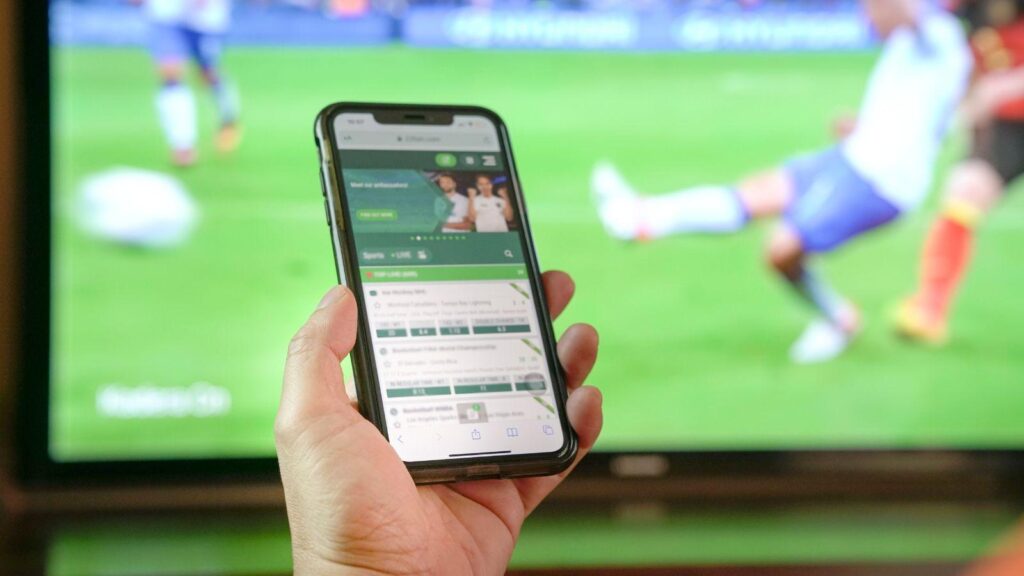
Most bettors blow their bankroll before the season hits its midpoint. Not because they picked bad games — because they never built a process. One sport. One market. One method. That’s the actual starting point, not tips from a podcast or a hot streak from last week.
Here’s the uncomfortable part: sharp bettors don’t win more games. They just lose less often, and they lose smaller amounts when they do. The edge isn’t in the picks themselves — it’s in the sequence of decisions made before the bet ever gets placed. Counterintuitive? Yes. True? Absolutely.
Why Your Betting System Needs to Start Before Week One
Set your bankroll limit before a single bet touches the board. Not after you “see how the first few weeks go.” Actually — scratch that approach entirely, because “seeing how it goes” is just a polished way of saying you have no plan. Your bankroll is a fixed number. Your stake per bet is a fixed percentage of that number. Full stop.
Pick 1 sport, 1 market type and 1 betting method, then stick to all three for the entire season. Not three sports with five market types depending on “how you feel Sunday morning.” The whole point of a repeatable approach is that it generates comparable data across weeks, which means your weekly review actually means something. Without that consistency, you’re reviewing noise.
A pregame entry point and a stop-loss rule belong in writing before the season opener. The stop-loss is the number that ends your betting week early — no exceptions. Platforms like Winz let you set deposit limits directly in the account settings, which makes enforcing this rule structural rather than willpower-dependent. That distinction matters more than most bettors acknowledge.
The Checklist That Actually Stops You Betting Garbage Lines
Before every single wager, run the same checklist. Every time. Not just when the game “feels tricky” — every time, because the games that feel obvious are exactly where the sloppy decisions live. Familiarity breeds laziness in betting, fast.
These are the inputs that belong on a serious pregame selection checklist:
- Recent form across the last four to six games — not the season average, which hides momentum entirely
- Injury reports updated within 24 hours of kickoff (or tip-off, or puck drop — whatever the sport demands)
- Schedule spots: back-to-backs, long travel legs, short rest situations — these move lines for a reason
- Line movement compared to the opening number — if the line moved three points against your read, that’s information, not coincidence
- Whether the game actually meets the same conditions you defined at the start of the season
If the game doesn’t check every box, cut the action. Just… don’t bet it. That’s not discipline in the motivational-poster sense. It’s the mechanical output of following a system you agreed to follow. Games that fail the checklist aren’t opportunities dressed up badly — they’re just not your bets.
Line Movement and Odds Shopping Are Not Optional
Compare lines before every wager. Not once a week. Before every wager. A half-point difference in spread betting converts to a meaningful percentage shift in long-run return across a full season of bets. That’s not a rounding error — that’s the actual margin you’re fighting for.
Shopping for the best price across multiple sportsbooks is probably the single most underleveraged move in recreational betting. Most players pick one app and stay loyal to it like it’s a football club. It isn’t. It’s a vendor. Here’s what the price gap actually looks like across a typical week of action:
|
Game Type |
Sportsbook A Line |
Sportsbook B Line |
Real Impact |
|
NFL spread bet |
-3.5 at -110 |
-3 at -115 |
The half-point buys you a push instead of a loss on key numbers |
|
NBA totals |
Over 221.5 at -110 |
Over 222 at -108 |
Two-point swing and slightly better juice — both matter |
|
Soccer match result |
Draw +280 |
Draw +295 |
+15 cents on the dollar if the draw lands, compounded across a season |
A platform like Winz posts lines on major markets early, which gives you a reference point before the sharp money moves the number. Opening lines versus closing lines tell a whole story about where the informed action landed — that story is free information if you bother to read it.
Parlays Skew Rookies and Pad Sportsbook Margins
Skip parlays unless the setup meets strict, pre-defined conditions. Not “unless the odds look juicy.” Strict. Written-down. Conditions. Parlays exist because the combined payout always undercompensates for the combined probability — the math is not secretly in your favour just because the ticket looks exciting on screen.
Long-shot bets fall into the same category. They’re not wrong categorically, but they need the same structural justification as any other play. “It could happen” is not a condition. A sharp value read on a mispriced line is a condition. There’s a gap between those two things wide enough to drive a lorry through.
Here’s what a basic weekly betting log actually needs to capture — not a spreadsheet with seventeen columns, just these fields:
- Date and game
- Market type and line at time of bet
- Stake amount as percentage of bankroll
- Result — win, loss or push
- Note: did this game meet all checklist conditions, or did you fudge one?
Review every entry once per week — same day, same time. The weekly review isn’t about feeling good or bad about results. It’s about spotting whether you followed your own process. Divergences from the process are the only thing worth addressing. Winz and similar platforms track bet history automatically, but the manual log forces the kind of annotation that raw transaction data never captures.