
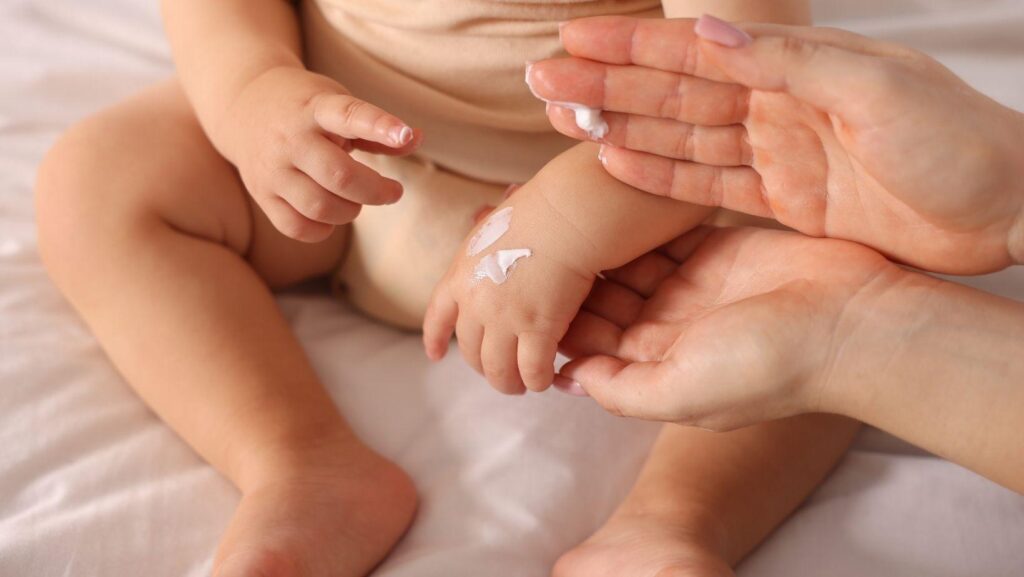
One of the more common questions new parents ask — often somewhere around 2 a.m., mid-scroll through parenting forums — is how many products a baby actually needs. The honest answer is: far fewer than the shelves suggest. A baby’s skincare routine can be effective, protective, and genuinely simple, and in most cases, simple is exactly what pediatric skin actually responds best to.
Understanding What Baby Skin Needs
Start with the basics of what a baby’s skin is dealing with. It’s thinner than adult skin, loses moisture faster, and hasn’t yet developed a fully mature protective barrier. That combination makes it more prone to dryness and irritation, but it also means it doesn’t need — and often can’t tolerate — the multi-step routines marketed to adults. A good baby routine typically comes down to three things: a gentle cleanser for bath time, a fragrance-free moisturizer, and situational products for specific issues like diaper rash, applied only when needed.
Getting Cleansing Right
Cleansing is where a lot of parents overcomplicate things. Babies don’t need daily full-body washing — two to three baths a week is generally sufficient, supplemented by gentle wiping of the face, neck folds, and diaper area in between. When bathing does happen, a mild, tear-free, fragrance-free cleanser is enough; anything with strong foaming agents or added fragrance is more likely to strip natural oils than to actually clean more effectively.
The Moisturizing Step Most Parents Underrate
Moisturizing matters more than most new parents expect, particularly in the first few months when a baby’s skin barrier is still establishing itself. The best time to apply moisturizer is within a few minutes of bath time, while skin is still slightly damp — this helps lock in moisture rather than applying product to already-dry skin. A simple, fragrance-free formula with minimal ingredients tends to work better than heavily marketed “multi-benefit” products, which often include additional ingredients that add complexity without adding real value for infant skin.
Where Minimal-Ingredient Brands Fit In
This is where families researching options often land on newer, ingredient-focused brands. Mavey Jaymes skincare, for example, has built its product line specifically around this minimal-but-effective philosophy — a small set of products meant to be used together rather than a sprawling catalog designed to upsell. That structure mirrors what pediatric guidance already recommends: fewer products, used consistently, rather than frequent switching between competing lines in search of the “right” one.
Why Consistency Beats Product Choice
Consistency, more than any single product choice, is what actually determines how well a routine works. Introducing new products one at a time — rather than several at once — makes it far easier to identify what’s helping and what might be causing irritation if a reaction does occur. It also gives a baby’s skin time to adjust, since even gentle products can cause temporary adjustment periods when first introduced.
Don’t Overlook Diaper Care
Diaper care deserves its own attention within the broader routine, since that area faces more moisture, friction, and irritation than anywhere else on a baby’s body. A barrier cream — ideally zinc oxide-based — applied at each change, particularly overnight, does more to prevent rash than any general moisturizer. Keeping the area clean and thoroughly dried before reapplying cream matters just as much as the product itself.
Adjusting the Routine by Season
Seasonal adjustments are worth planning for rather than reacting to after the fact. Winter air tends to dry skin out faster, which may call for a slightly richer moisturizer or more frequent application. Summer brings sweat and heat rash considerations, along with the need for sun protection once a baby is old enough — generally from six months, when sunscreen becomes appropriate for direct application; before that age, shade and protective clothing are the better options.
Flexibility Without Complexity
Brands like Mavey Jaymes skincare have leaned into this seasonal-and-situational approach by keeping their core lineup small enough that parents can adjust usage — more moisturizer here, a barrier cream there — without needing to buy an entirely different product line every few months. That flexibility tends to matter more in practice than having access to a dozen specialized products that rarely all get used.
The Bottom Line
Ultimately, a baby skincare routine doesn’t need to be elaborate to be effective — it needs to be consistent, gentle, and responsive to what a specific baby’s skin actually shows. Whether a family builds that routine around Mavey Jaymes skincare or another minimal-ingredient line, the underlying principles hold: fewer products, applied consistently, with close attention paid to how skin responds along the way. That approach does more for comfort and skin health than any complicated regimen ever could.