
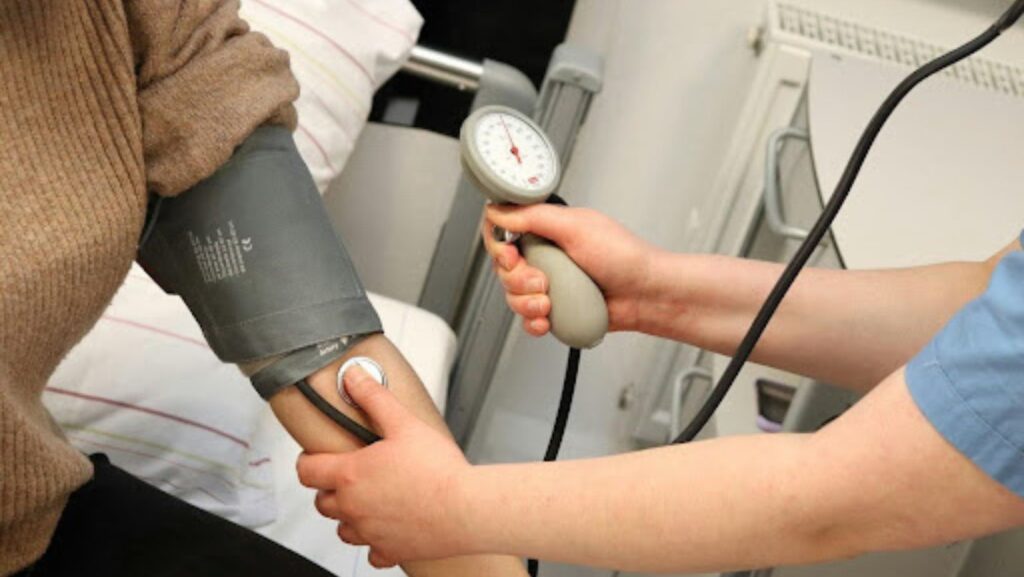
Strong training in an SNF is not a “nice extra.” It is daily risk control, resident dignity, and staff confidence all rolled into one. It also makes surveys less scary and turnover less brutal.
Here’s the simple truth. When people know exactly what good care looks like and get real support learning it, they tend to stay longer, make fewer errors, and feel proud of the work.
In a skilled nursing facility, training is not an optional add-on. It is the backbone of safe operations. It protects residents from avoidable harm, gives staff the confidence to handle complex tasks, keeps regulators satisfied, reduces the spread of infections, and strengthens the reputation of the facility in the eyes of families and the community. When training is treated seriously, care looks calmer, mistakes become rarer, and people feel less like they are just surviving each shift and more like they are actually doing good work.
Orientation And Role-Specific Competency
Every strong training plan starts with a structured orientation. New hires should walk away understanding more than just where to clock in. They need a clear picture of who they report to, what their scope of practice is, how to document, and how to escalate concerns. If a nurse aide or nurse is sent onto the floor before their skills are validated, the risk does not only live with them. It lives with every resident they touch.
Good orientation like the ones offered at CareAcademy, includes shadowing, hands-on demonstrations, and competency checks rather than just online modules or policy signatures. It should also reflect what the facility actually sees in its resident population. That way, training is rooted in reality, not generic checklists that look good on paper but fail under pressure.
Infection Prevention And Control
Few topics are as critical in long-term care as infection prevention. Residents often have multiple chronic conditions and weaker immunity, which makes even common infections dangerous. Training needs to be consistent, repeated, and practical.
Staff should be confident with hand hygiene, appropriate PPE use, cleaning and disinfection routines, standard and transmission-based precautions, and outbreak response. Refresher sessions are essential because habits slip over time, especially under staffing pressure. When infection prevention becomes a shared responsibility rather than “the IP’s job,” the facility’s safety baseline rises for everyone.
Dementia Care And Behaviour Support
Many residents in SNFs live with Alzheimer’s disease or other forms of dementia. Without training, staff can easily misinterpret distress, confusion, or fear as “difficult behaviour,” which leads to frustration on both sides.
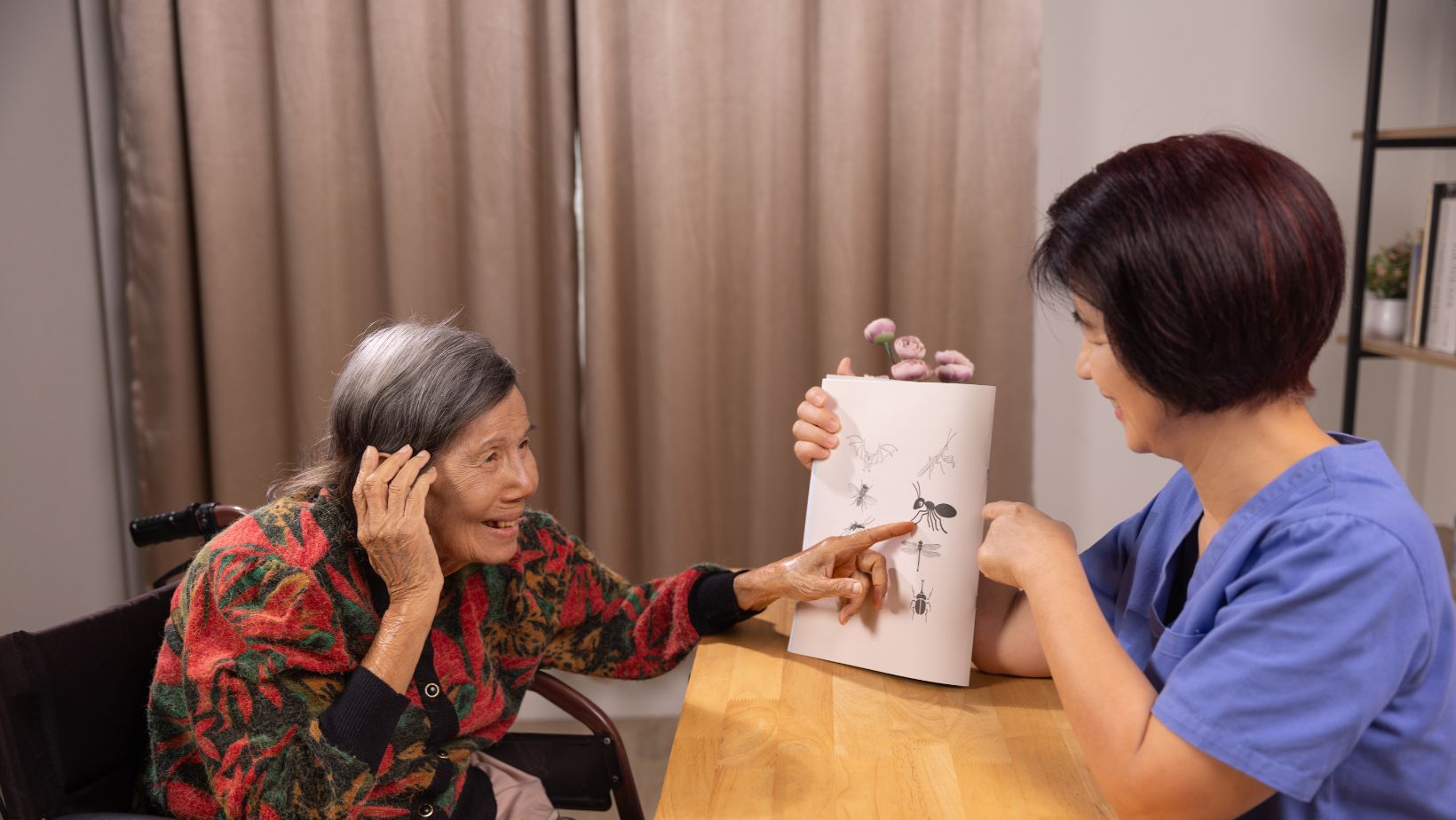
Effective dementia training focuses on person-centred care, how to read non-verbal cues, how to avoid triggers, and how to redirect or reassure someone who is frightened or overstimulated. This training also improves staff wellbeing. When caregivers understand the why behind a resident’s behaviour, they are less likely to take it personally and more likely to respond with calm, respectful confidence.
Safe Transfers, Fall Prevention, And Mobility Support
Falls remain one of the most visible and costly safety issues in skilled nursing. A single bad fall can mean hospital transfer, prolonged recovery, loss of independence, and lasting decline.
Training needs to emphasise real technique. Staff should be comfortable using gait belts, recognising when two-person support is needed, operating mechanical lifts correctly, and preparing the environment before movement. The most effective facilities reinforce this with short, hands-on refreshers and real case discussions rather than relying only on annual training.
Pressure Injury Prevention And Wound Care Basics
Pressure injuries are another major quality marker. They rarely appear without warning. Most involve gaps in repositioning, skin checks, nutrition, hydration, or moisture management.
Training programmes must equip staff to identify risk early, inspect skin systematically, protect residents from friction or device-related pressure, and escalate changes quickly. When this becomes part of daily routines rather than an occasional reminder, prevention improves and resident suffering decreases.
Medication Safety And Adverse Event Recognition
Medication management in an SNF is complex. Residents often have long lists of prescriptions, frequent changes after hospital stays, and high-alert medications in the mix.
Training should reinforce safe administration standards while also building confidence in recognising adverse reactions, documenting properly, and reporting near misses. The goal is not fear-based compliance. The goal is a culture where people feel supported to slow down and confirm details when something feels off.
Abuse Prevention, Resident Rights, And Ethical Care
Abuse prevention and resident rights training should never be treated as a formality. It shapes the tone of the whole facility.
Staff need clear guidance on recognising and reporting physical abuse, verbal mistreatment, exploitation, neglect, and privacy violations. This should be reinforced through realistic scenarios that reflect the actual pressure points of SNF life. When people practise the right response before a difficult moment happens, they are more likely to act confidently and protect residents in real time.
Emergency Preparedness
Emergencies in an SNF are uniquely complex because many residents rely on staff for mobility, oxygen therapy, and ongoing clinical support.
Training should cover evacuation roles, fire response, power outage protocols, severe weather planning, medication continuity, and family communication systems. Drills should be routine and reviewed honestly. A calm, well-practised response plan protects residents and reduces chaos for staff.
Building A Culture Of Continuous Learning
The most successful SNFs do not treat training as a once-a-year marathon. They weave it into the life of the building. Short refreshers, targeted coaching after incidents, and scenario discussions at shift huddles often have greater impact than long, infrequent sessions.
This is also where structured training partners can help, especially those whose curricula align with federal expectations and support consistent education across the care team. But training tools only work well when leadership treats learning as part of the job, not an interruption to it.
Conclusion
In the end, essential training in a skilled nursing facility should do five things well. It should keep residents physically safer through better infection control, fall prevention, medication safety, and skin integrity standards. It should make staff feel more capable by giving them practical skills instead of forcing trial-and-error learning. It should support regulatory compliance through clear, documented education that reflects real facility needs. It should reduce emotional strain by strengthening communication and dementia care approaches. And it should build a steady culture where learning is normal, support is visible, and everyone understands that good training is not a burden but one of the clearest signs that the facility truly cares about the people who live and work there.