
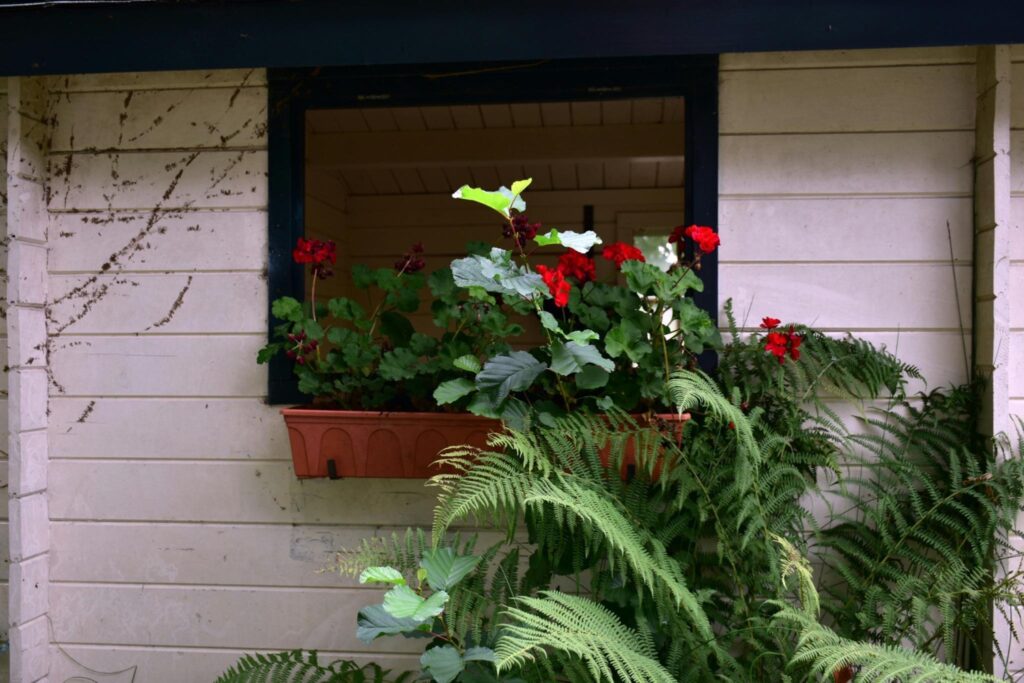
City living often means trading yard space for square footage closer to work, transit, and restaurants. That trade doesn’t have to mean giving up on gardening entirely. Outdoor window planter boxes let apartment and condo residents grow real plants on a sill, railing, or fire escape, no backyard required.
These small-scale setups carry weight beyond decoration. They reduce reliance on store-bought produce, soften concrete-heavy blocks, and give renters a low-commitment way to build sustainable habits.
Read on to see how a few square feet of window space can support a much larger shift toward greener city living.
Building Long-term Sustainable Habits Through Easy Maintenance
A window box only delivers on its environmental promise if someone keeps it alive past the first month. Inconsistent watering kills more container gardens than pests or weather ever do. The right setup turns a fragile first attempt into a routine that lasts for years.
Here are the maintenance choices that decide whether a planter survives its first season:
Self-watering reservoirs solve the most common failure point
A renter who travels for work or forgets to water during a busy week won’t lose plants to neglect. Self watering window boxes hold a reservoir that feeds soil gradually over several days. The steady moisture also cuts down on wasted water from overwatering or runoff.
A moisture meter takes the guesswork out of watering
Many new gardeners overwater out of anxiety, assuming wilted leaves always mean thirst. A cheap moisture meter inserted into the soil shows the actual hydration level in seconds. This small habit prevents root rot, which kills container plants faster than drought does.
Bloom booster keeps flowering plants productive through the season
Window box soil holds far less nutrient reserve than ground soil. A monthly dose of bloom booster replaces what containers lose to frequent watering and drainage. Marigolds and petunias respond especially well, often flowering into late fall.
Maximizing Limited Space for Urban Greenery
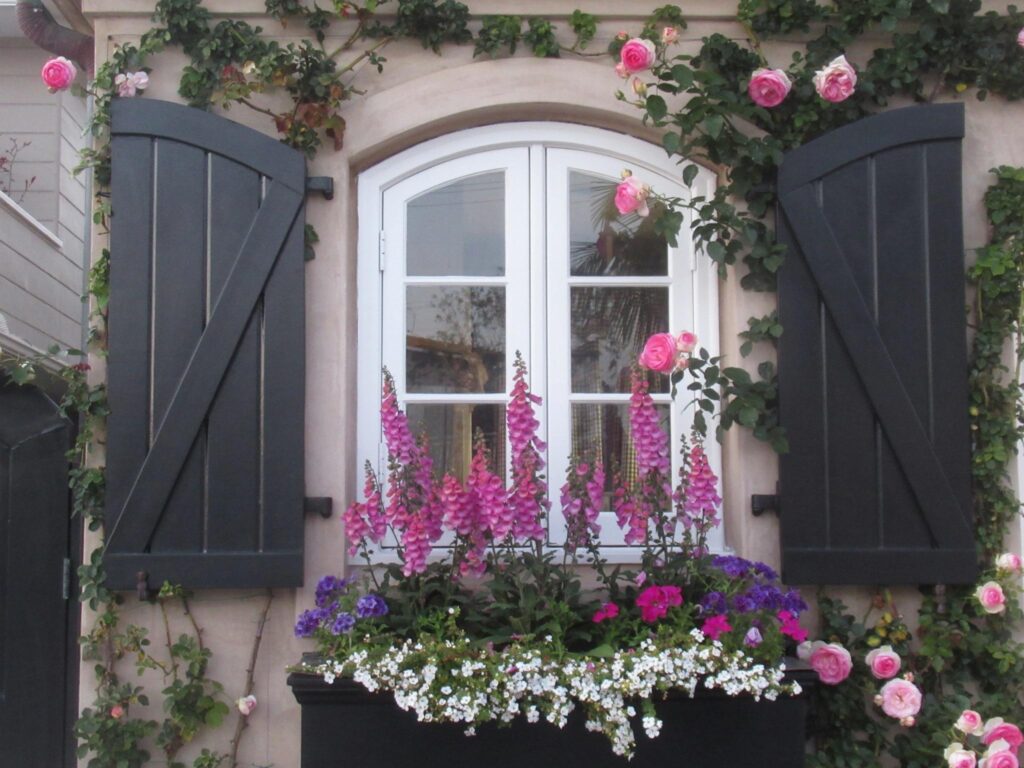
Most apartment dwellers don’t have a patch of dirt to call their own. A window box turns a strip of unused ledge into real growing space. The right mounting choice determines how much that small footprint can actually hold.
Below are the placement options that make the most of tight urban quarters:
Window planters mount directly outside the frame
This keeps the growing space entirely outside the unit, away from indoor floor space. A tenant in a 500-square-foot studio can grow basil or marigolds without giving up an inch indoors. The box does the work a backyard plot would otherwise do.
Railing planters extend growing space to balconies and fire escapes
Buildings without window ledges suited to planting still have railings available. A railing planter box clips onto the rail without drilling into the structure. This option works well for renters who can’t modify their unit.
Window planter boxes scale across an entire building
A single building with twenty units and twenty boxes adds up fast. Older walk-ups with no rooftop access or courtyard suddenly become viable growing sites. That collective square footage rivals a small community garden.
Reducing Environmental Impact Through Smart Plant Choices
Growing food at home cuts down on the chain of trucks and packaging that gets produce to a grocery shelf. Herb planters filled with thyme, mint, or parsley replace small but frequent store purchases. Those purchases often arrive wrapped in plastic that gets tossed within days.
Plant selection matters just as much as the act of growing itself. Climbing plants like sweet peas can train up a trellis without demanding extra floor space. Meanwhile, trailing verbena spills over the box edge and fills in gaps where soil would otherwise sit bare.
Not every plant suits a shallow window box, and that’s worth saying plainly. Hanging foliage like ivy works well since its roots stay close to the surface. Clear plant labels also help renters track what’s growing, especially when herbs and flowers share the same box.
Improving Air Quality and Microclimate in Dense Neighborhoods
Concrete and asphalt absorb heat all day and release it slowly after dark. Plants counter this in a small but real way through evapotranspiration, the process of releasing moisture as they grow. A window box full of leafy greenery cools the air immediately around it.
That cooling effect adds up across a block. A row of buildings with boxes on alternating floors creates a patchwork of small cooling zones. It won’t replace a city park, but it chips away at the same problem on a smaller scale.
Plants also filter some airborne particulates, improving air quality in pockets where dust collects on building facades. Drainage holes keep excess water from pooling and damaging the surrounding ledge or siding. This small design detail matters as much for building maintenance as it does for the plants themselves.
Final Thoughts
Window planter boxes won’t replace city parks or industrial farms, and they were never meant to. What they offer is a low-barrier entry point for residents who want a hand in their own food, air, and green space. Multiplied across a block or a building, those small efforts start to shape a noticeably greener street.