
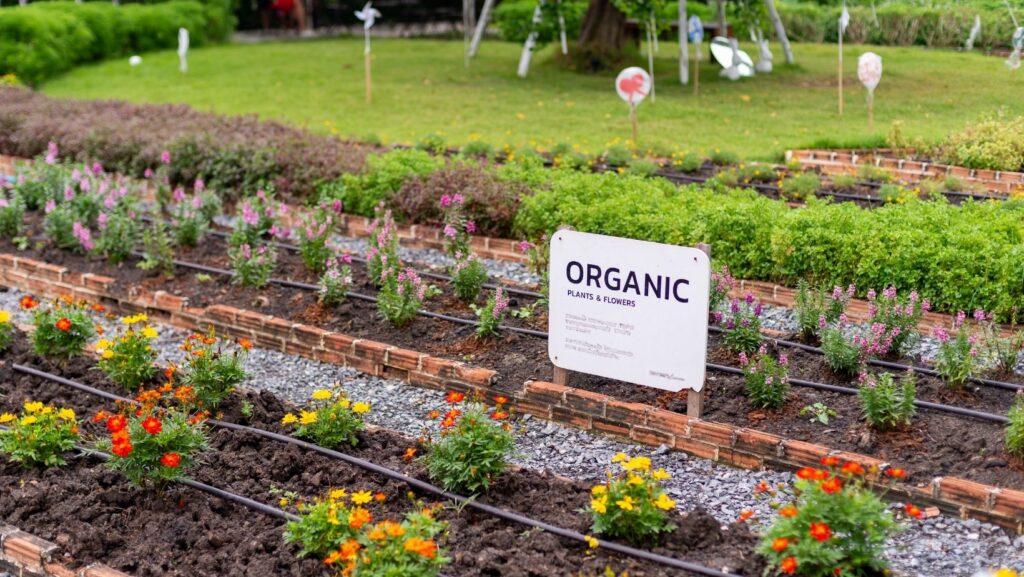
So, the frost has finally gone and the days are stretching out again. If you’re looking after an organic garden, getting your spring maintenance right really does make a difference to how well everything grows over the coming months. It’s a chance to sort out the soil, tidy up what winter left behind, and give your growing space a proper refresh. Organic gardening is all about working with natural processes rather than against them, so it pays to take a thoughtful approach during these early weeks. Here are some practical steps to help get your organic garden into good shape as the new season gets underway.
Clear the Garden of Debris
The first thing to tackle is whatever winter has left lying around. Dead leaves, old stems, fallen twigs, they tend to pile up over the colder months and, while they may have offered some protection to plants during the worst of the weather, keeping them in place now can cause problems. Poor air circulation, fungal disease, and pests all become more likely if you leave that material sitting there.
Work through your beds carefully and remove dead plants, soggy leaves, and anything that’s broken down into a mess. It’s also worth cutting back old growth on perennials at this point, as clearing spent stems gives new shoots room to push through and removes hiding spots that pests tend to favour.
Prepare Your Soil for Planting
Healthy soil is the foundation of everything in an organic garden. Spring is a good moment to have a proper look at what you’re working with before putting anything in the ground.
Have a feel for how compacted the soil has become, heavy rain and snow can really pack it down over winter, stopping water and nutrients from getting to where they’re needed. A garden fork worked gently through the beds will help loosen things up without too much disruption. It’s also worth testing the pH, since most vegetables and flowers are happiest somewhere between 6.0 and 7.0. A simple testing kit from a garden centre will tell you where you stand. Too acidic? A bit of garden lime will help. Too alkaline? Sulphur or composted pine needles can bring it back down.
Once you know where you are, dig in some organic matter, compost, well-rotted manure, or leaf mould all work well. Mix it into the top 10–15cm of soil to give your plants something genuinely nutritious to root into, and good microbial activity will follow naturally.
Mulch for Moisture Retention and Weed Control
Mulching is one of those jobs that pays you back many times over. A decent layer helps the soil hold onto moisture, keeps weeds down, regulates soil temperature, and gradually feeds the soil as it breaks down.
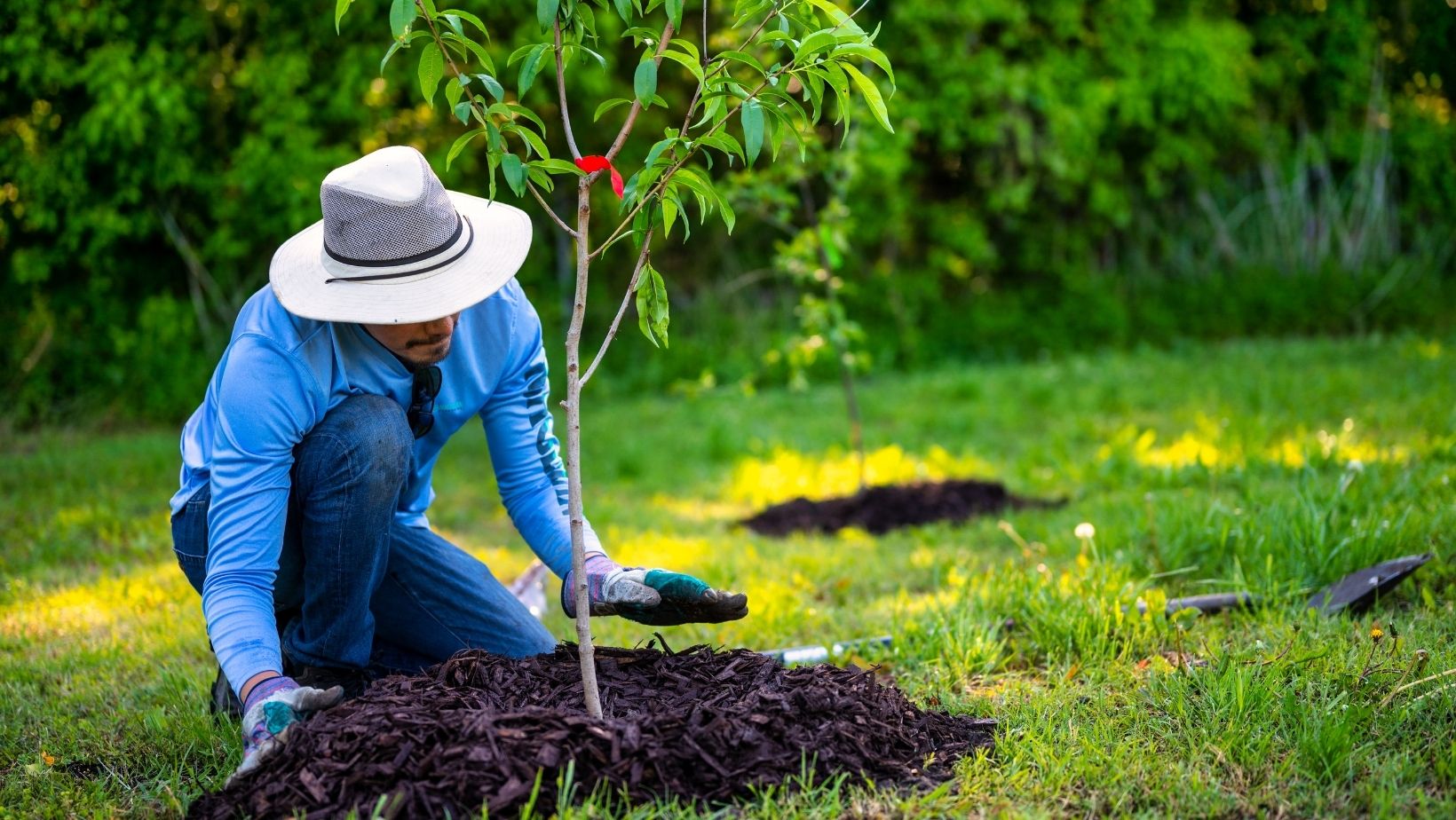
Aim for a 5-10cm layer of something organic, wood chips, straw, and leaf mould are all solid choices. Don’t pile it right up against plant stems though, as that can cause rot. Leave a small gap to let air circulate. During drier spring spells, when plants are just getting going, that retained moisture can make a real difference. On the weed front, a good layer of mulch does a lot of the work for you, which matters in organic gardening where you’re not reaching for herbicides. Bear in mind it breaks down over time, so top it up periodically through the season.
Prune and Trim for New Growth
Careful pruning in spring encourages plants to put their energy into strong new growth and keeps everything looking decent too. Work through your trees, shrubs, and perennials to remove anything dead or damaged. For deciduous trees and shrubs, early spring, just before new growth begins, is generally the right moment. Evergreens are usually better left until later, once new growth has appeared. For roses, remove dead or spent material and any crossing stems to improve air flow and encourage better flowering.
Whatever tools you’re using, keep them sharp and clean. Blunt tools make messy cuts, and dirty ones can spread disease between plants. A quick wipe with disinfectant between cuts is a habit worth getting into.
Plan and Plant for the Season Ahead
Spring is also the moment to think carefully about what you want to grow and where. A bit of planning at this stage saves a lot of frustration later. If you’re growing vegetables, crop rotation is worth taking seriously, growing tomatoes in the same spot year after year encourages a build-up of the pests and diseases that affect them. Moving things around and bringing in legumes like peas or beans can restore nitrogen to the soil and break problem cycles naturally.
For flowers, a mix of perennials and annuals gives you something going on across the whole season. Companion planting is worth experimenting with too, marigolds alongside tomatoes, for instance, can help deter aphids without any chemical intervention. Once things are in the ground, keep a close eye on moisture levels. Spring weather can be unpredictable, and young plants need consistent watering to get properly established.
Maintaining Organic Practices Throughout Spring
The whole point of organic gardening is working with natural processes, and that applies just as much during spring maintenance as at any other time. For feeding, compost, seaweed extract, or fish emulsion all release nutrients slowly, which suits most plants far better than a sudden chemical hit, and supports the microbial life that keeps soil functioning properly.
When pests appear, think natural solutions first. Encouraging ladybirds into the garden helps keep aphid numbers down effortlessly. Neem oil is a useful organic option when something more targeted is needed, and companion planting earns its keep here too by making conditions less appealing to common problem insects.
Work through these spring maintenance steps at a pace that suits you, and you’ll be setting yourself up for a genuinely productive season. Focus on the soil, mulch well, prune thoughtfully, and plan what you’re growing, the garden will do a lot of the hard work from there.